
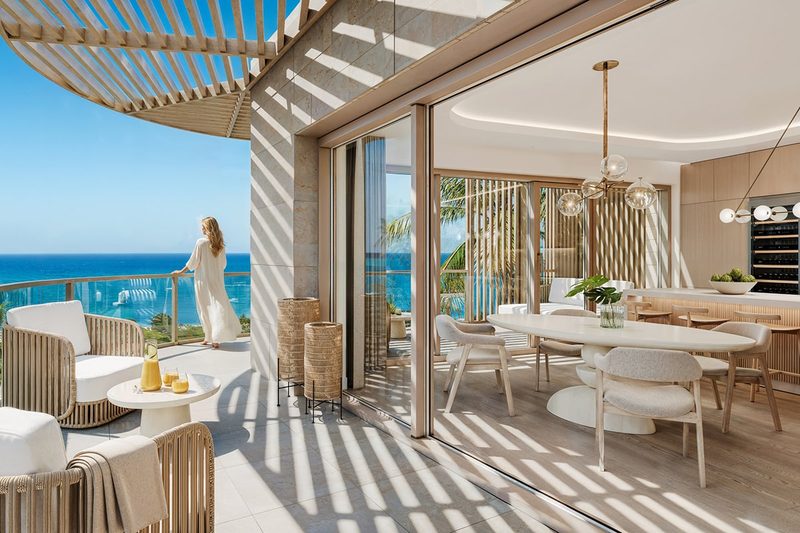
Jolly Harbour Residences
Branded beachfront residences set to reposition Antigua's south-west coast — an independent overview.
Residences available.
Every unit currently on the book here, with what is off-market available on request.

Studio Residence, Jolly Harbour Residences

One-Bedroom Residence, Jolly Harbour Residences

Two-Bedroom Residence, Jolly Harbour Residences

Three-Bedroom Residence, Jolly Harbour Residences

Four-Bedroom Beachfront Villa, Jolly Harbour Residences
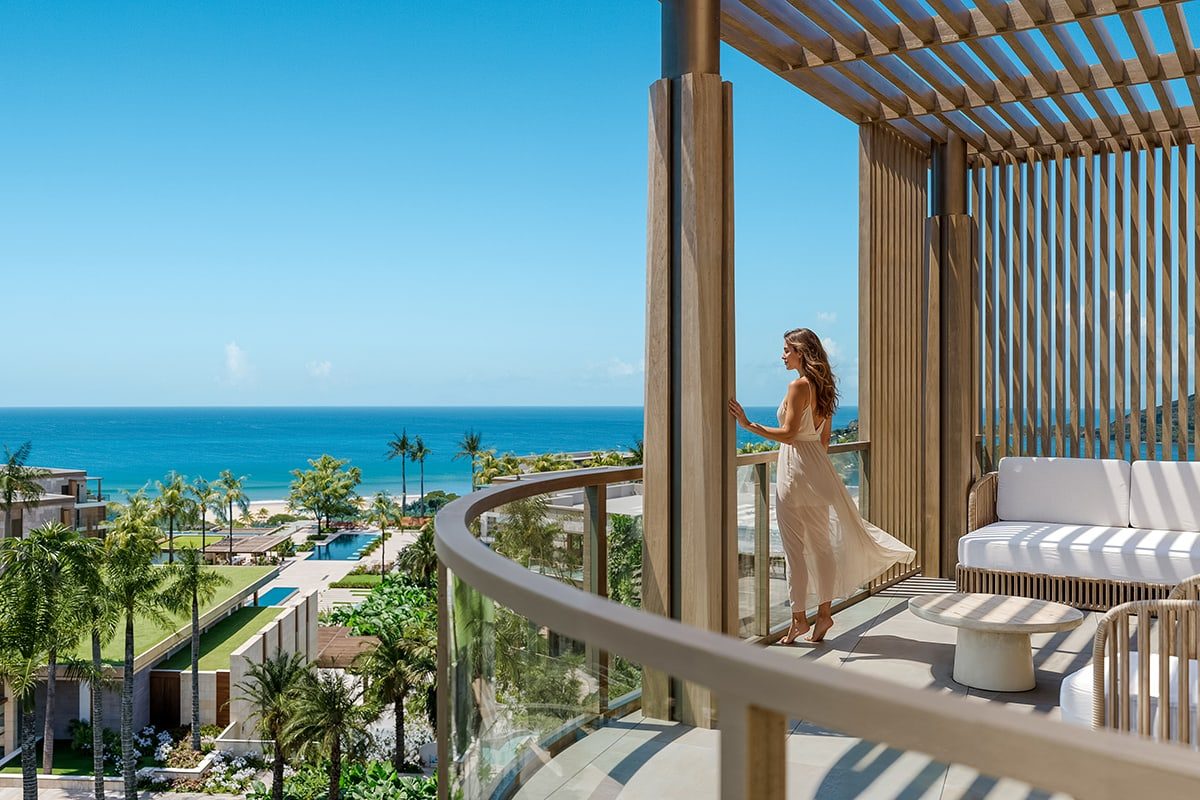
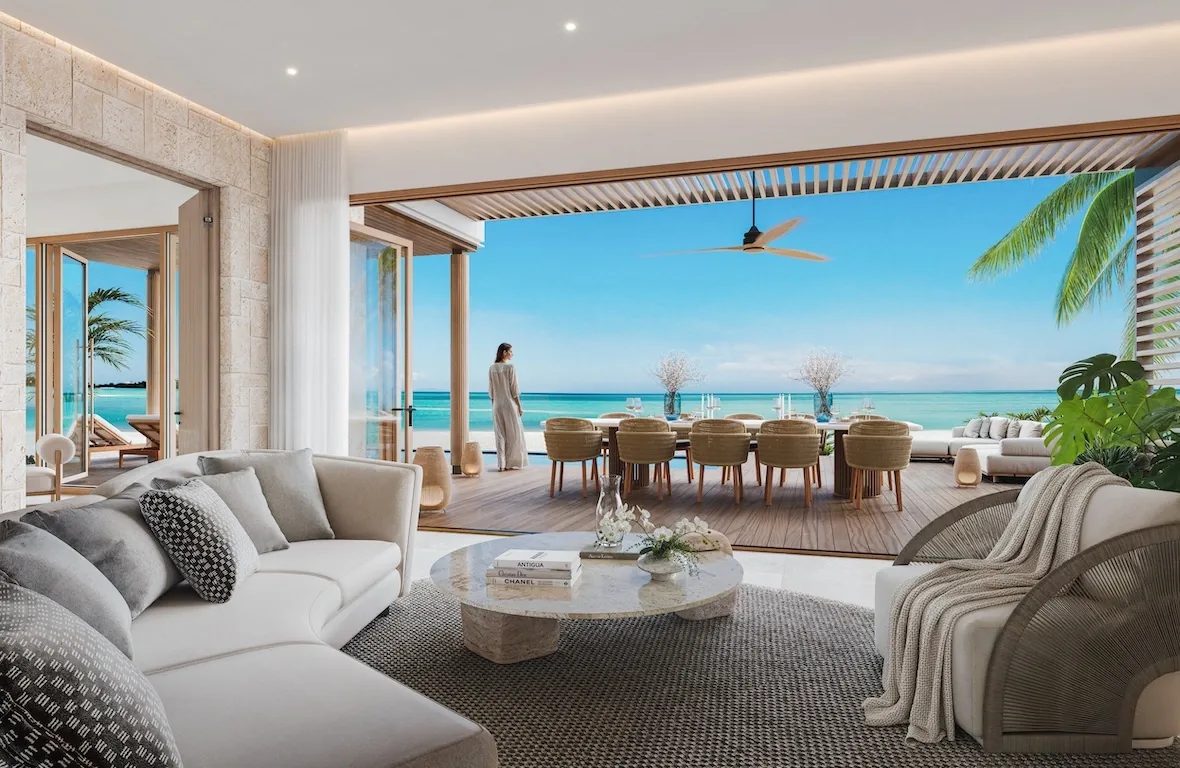
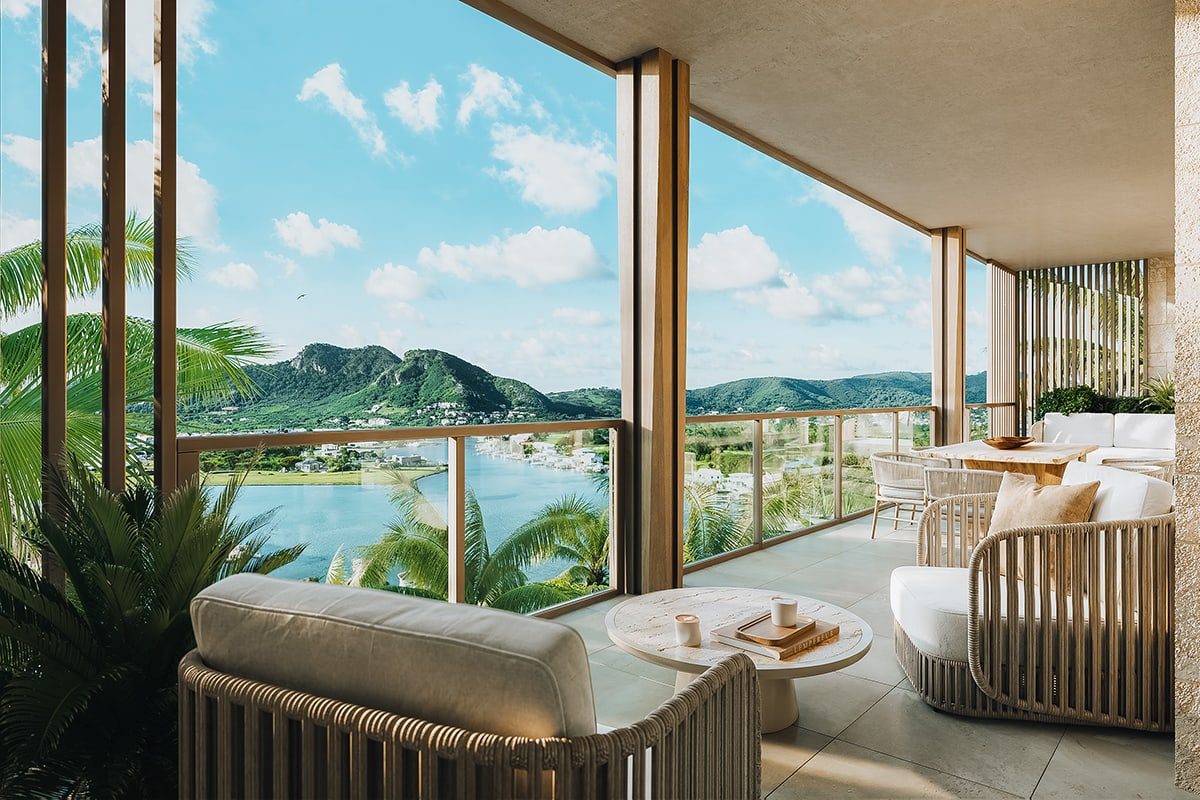
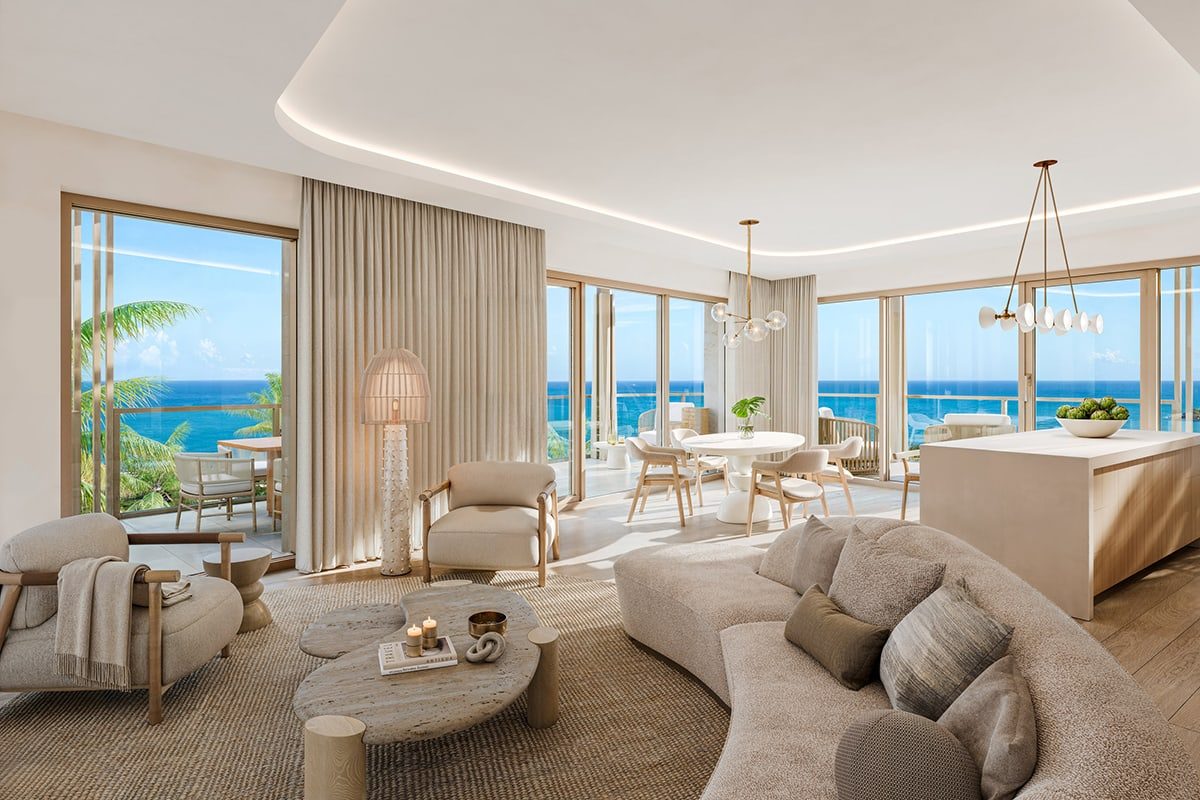
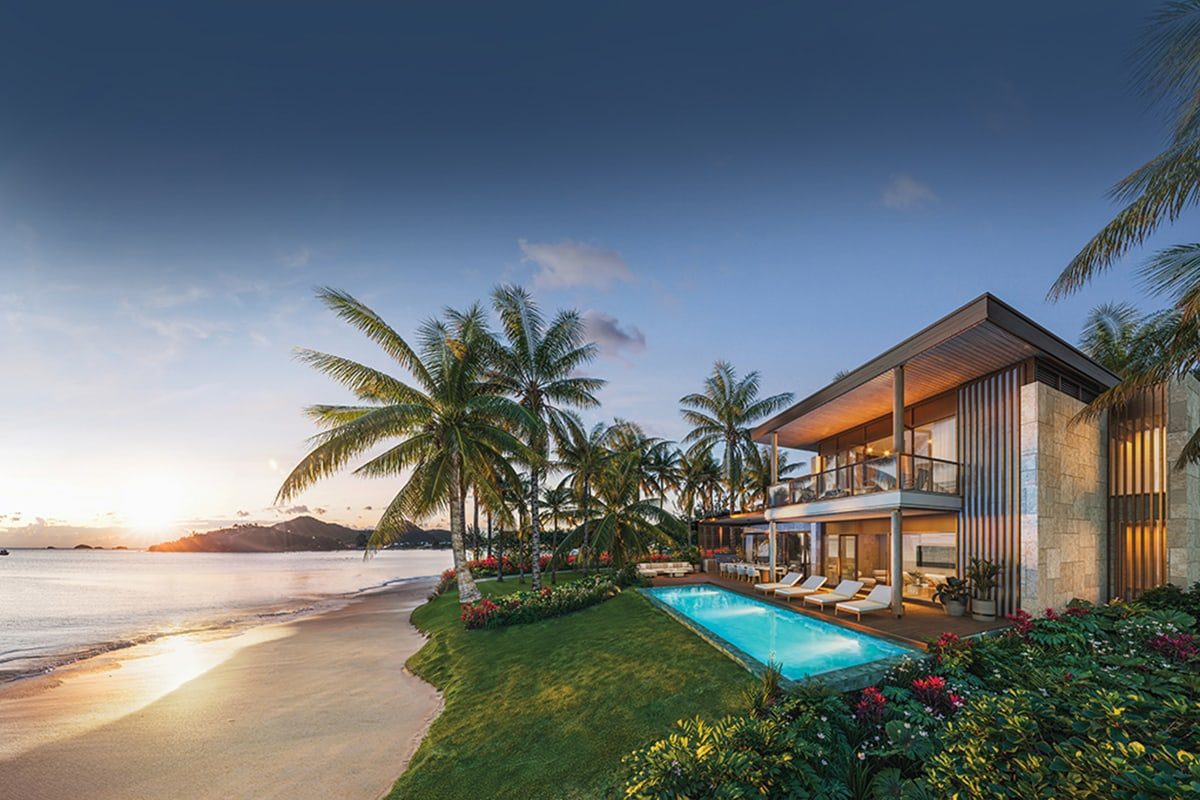
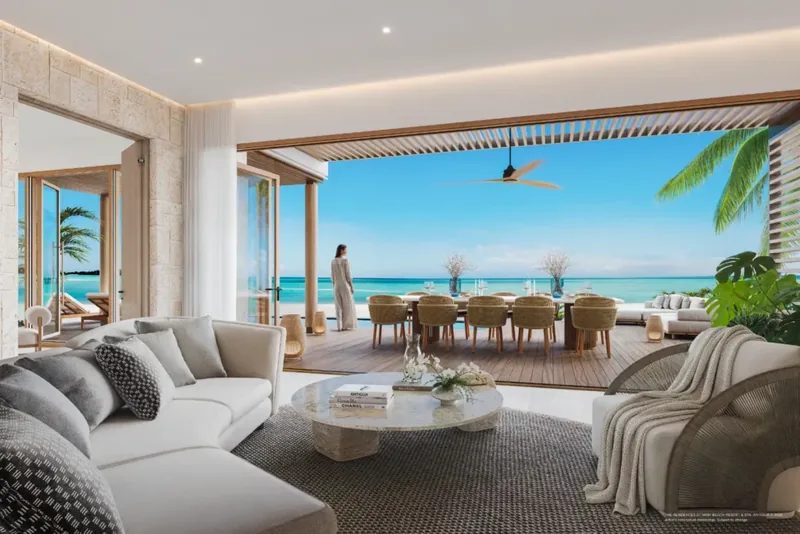
A new branded-residence development on Antigua's south-west coast, bringing beachfront residences, a beach club and resort amenities to one of the island's best-known stretches of coast.
This page is an independent overview. To explore current availability, branded-residence opportunities and Antigua's CBI route, speak with Dan directly.
Jolly Harbour Beachfront Residences is an off-plan branded ownership proposition on Antigua’s west coast, with an optional rental programme attached. The beach and the neighbouring marina make the location easy to understand. The harder questions are what title is delivered, how deposits are protected, what the operating budget will charge, and whether the exact unit is approved for citizenship.
Buy here for use and convenience, not for a rental projection. Recurring charges and project-level citizenship approval cannot currently be verified at unit level, and the published residence count has come down from 181 at launch to 134 — 127 condominiums and seven beachfront villas.
Jolly Beach in February — and in September
The site sits on Jolly Beach beside the wider Jolly Harbour area. This is not an isolated cove: the marina, supermarket, restaurants, water access and sports facilities next door solve much of the practical problem of owning from abroad. Valley Church, Ffryes and Darkwood are farther south along the same coast. St. John’s and the airport are drives, not amenities outside the gate.

The final approach is on ordinary island roads through lived-in communities. Walk the beachfront, drive the route at night and check drainage after rain. If you plan to arrive by boat, confirm berth access and charges directly with the marina; residence ownership should not be assumed to include a slip.
February shows the area at its easiest: drier weather, a full restaurant roster and strong visitor demand. September is the more useful diligence visit. It is hotter, more humid and in the wetter part of the year as well as hurricane season. You see air-conditioning loads, salt exposure, drainage and whether neighbouring businesses shorten their schedules.
Freehold is the start of the title review, not the end
The marketed offering describes freehold residences. Your attorney still needs to confirm that the sale delivers registered title to the identified unit, that the condominium plan has been or will be registered, and that the common-property rights shown in the sales material appear in the declaration. Read the rental management agreement, alteration rules, voting allocation, rights of first refusal and the operator’s power to change standards or charges.
For a non-citizen buying outside a confirmed citizenship structure, the Non-Citizens Land Holding Licence must be addressed before completion. Do not assume an eventual citizenship application cures a licence issue at contract stage. The fee and the rest of the government charges are set by law rather than by the developer and are on the Antigua & Barbuda real-estate guide; have Antigua counsel state which route your purchase actually uses.
This is also an off-plan contract, and the numbers around it have moved. The scheme is now 127 condominiums of one to three bedrooms plus seven four-bedroom beachfront villas — 134 residences in all, alongside 82 hotel rooms and suites. That is against 181 residences announced at launch in October 2024. Groundbreaking was October 2024 and foundation piling is under way, so this is a building site rather than a drawing, which is a materially better position than an off-plan scheme that has not broken ground. Schemes get re-planned, but a buyer told to price a promise as a promise should be shown the promise changing. Ask for the current count, the current programme and the phasing in writing, dated.
Then protect the money. The deposit should be held under defined escrow terms and released only against stated milestones, with a long-stop date and a usable refund remedy. The agreement should define completion, snagging, furniture delivery, amenity access and what happens if the resort opens in phases.
Dues, reserves, rental deductions and storm cover
The seller confirms that owners will pay shared facility and service fees plus condominium assessments. No current rate is published. The rental split, furniture reserve and any separate amenity charge are also not public. Until the proposed budget and a specimen owner statement are delivered, there is no defensible net-yield calculation.
One point of framing worth correcting before you model anything. This is not a hotel-operated rental pool. The developer describes the rental programme as optional and run by a developer-approved partner rather than by a resort operator. That changes who is accountable for your occupancy, who sets the rate, and what happens to your income if the partner changes. Establish all three in writing.
Ask for the budget line by line: building and common-area insurance, security, landscaping, pools, beach operations, lifts and plant, management, utilities and reserves. Establish who covers an operating deficit, how costs are allocated before every phase opens, and when a special assessment can be levied.
The master policy should state the named-storm deductible as a percentage of insured value, its exclusions and its limit. That project-specific percentage is not published. Calculate it against the building’s insured value, establish how it is allocated among owners, and arrange separate cover for interiors, contents, liability and loss of use.
Citizenship is not established by the purchase price
Antigua and Barbuda’s citizenship programme sets a minimum of US$300,000 for approved real estate and requires a five-year hold. Entry here is a multiple of that minimum, so the threshold is not what sets the price — and clearing it establishes nothing. The programme approves specific projects and publishes a project list.
The project is approved under the programme. Do not take that from the marketing, though, because the developer’s own materials are not consistent about it: some pages describe the project as pre-approved, another as approved, and material further up the group goes further still and tells readers that investing makes them eligible. Those are three different claims and they cannot all be the same thing.
Approval attaches to a project, not to a unit, so the step that still matters is confirming your specific unit with an authorised agent or the Citizenship by Investment Unit provides written confirmation naming the legal developer, project and exact unit. If citizenship matters, the agreement should be conditional on that answer.
Apply the same caution to what the seller says about presence. The developer’s own citizenship material describes a minimal requirement of around five days. The rule applied administratively is 30 days across the first five years after citizenship is granted. A page that tells you not to take the seller’s word on approval owes you the same warning here.
And compare before you commit. A cheaper programme-qualifying route onto the same stretch of coast is being marketed nearby with state backing, at a fraction of the entry price here — with correspondingly limited annual access rather than a residence you own. That is a different product, not a substitute, but anyone spending seven or eight figures on beachfront should know it exists. What qualifies today is set out on CBI-approved real estate.
Buy the residence only if the title, contract, location and budget work as real estate. Add the citizenship route only when the specific transaction is accepted in writing. If you are a US citizen, note that a second passport changes your travel and not your tax: the United States taxes its citizens on worldwide income wherever they live, and renouncing is the only exit.
Who this suits — and who should buy something else
This suits a buyer who wants a managed beachfront home beside an established marina community, expects to use it, accepts off-plan delivery risk, and can carry it without relying on rental income. It also suits an owner who values professional maintenance enough to accept less control over design, rental dates and operating standards.

It is the wrong purchase for anyone who needs a completed home now, wants a published history of dues and assessments, needs a marina berth included, or requires citizenship approval before placing meaningful capital at risk. It is also the wrong purchase for anyone underwriting a guaranteed yield or a quick resale.
Before committing, get the title pathway, the condominium documents, the escrow and milestone schedule, the long-stop remedy, the first operating budget, the reserve policy, the rental agreement, the insurance schedule, the current residence count and delivery programme, and the written citizenship position. If any one of them remains a promise, price it as a promise.
Full pricelists, floorplans and underwriting are shared privately, after your call with Dan. Start with the application.
Apply NowThis is an off-plan purchase
The scheme is 127 condominiums plus seven four-bedroom beachfront villas — 134 residences in all — down from 181 announced at launch in October 2024. Groundbreaking was October 2024 and foundation piling is under way. The contract should define escrow, deposit-release milestones, the long-stop date, completion and snagging, furniture delivery, phased amenity access and the refund remedy if delivery does not occur as agreed. Ask for the current count and programme in writing, dated, rather than working from a launch figure.
Confirmed, but with no rates published
Shared facility and service fees plus condominium assessments are confirmed, but no rates are published. The rental split, furniture reserve and storm deductible are also unpublished. Note too that the rental programme is described as optional and run by a developer-approved partner rather than by a resort operator, which changes who is accountable for your occupancy. Ask for the proposed budget, a specimen owner statement and the insurance schedule before calculating a net return.
The project is approved; two things still need doing
The project is approved under the programme. Two things still need doing. Price does not establish eligibility, and entry here is a multiple of the programme minimum in any case, so the threshold is not what sets what you pay. And approval attaches to a project rather than to a unit, so get written confirmation naming the legal developer, project and exact unit before making the contract unconditional — and check the presence requirement independently, since the seller’s material and the rule applied administratively do not agree.
Who should buy something else
It is a poor fit for anyone needing immediate occupancy, depending on rental income, assuming a marina berth is included, or requiring confirmed citizenship eligibility. It is also a poor fit for anyone who has not compared it against the cheaper programme-qualifying options being marketed on the same coast, which buy limited annual access rather than a residence. It can fit a patient lifestyle buyer who values managed beachfront ownership and will use it.
Interested in Jolly Harbour Residences?
Send a private inquiry and Dan will walk you through availability, ownership options and CBI eligibility.
Send a private inquiry