
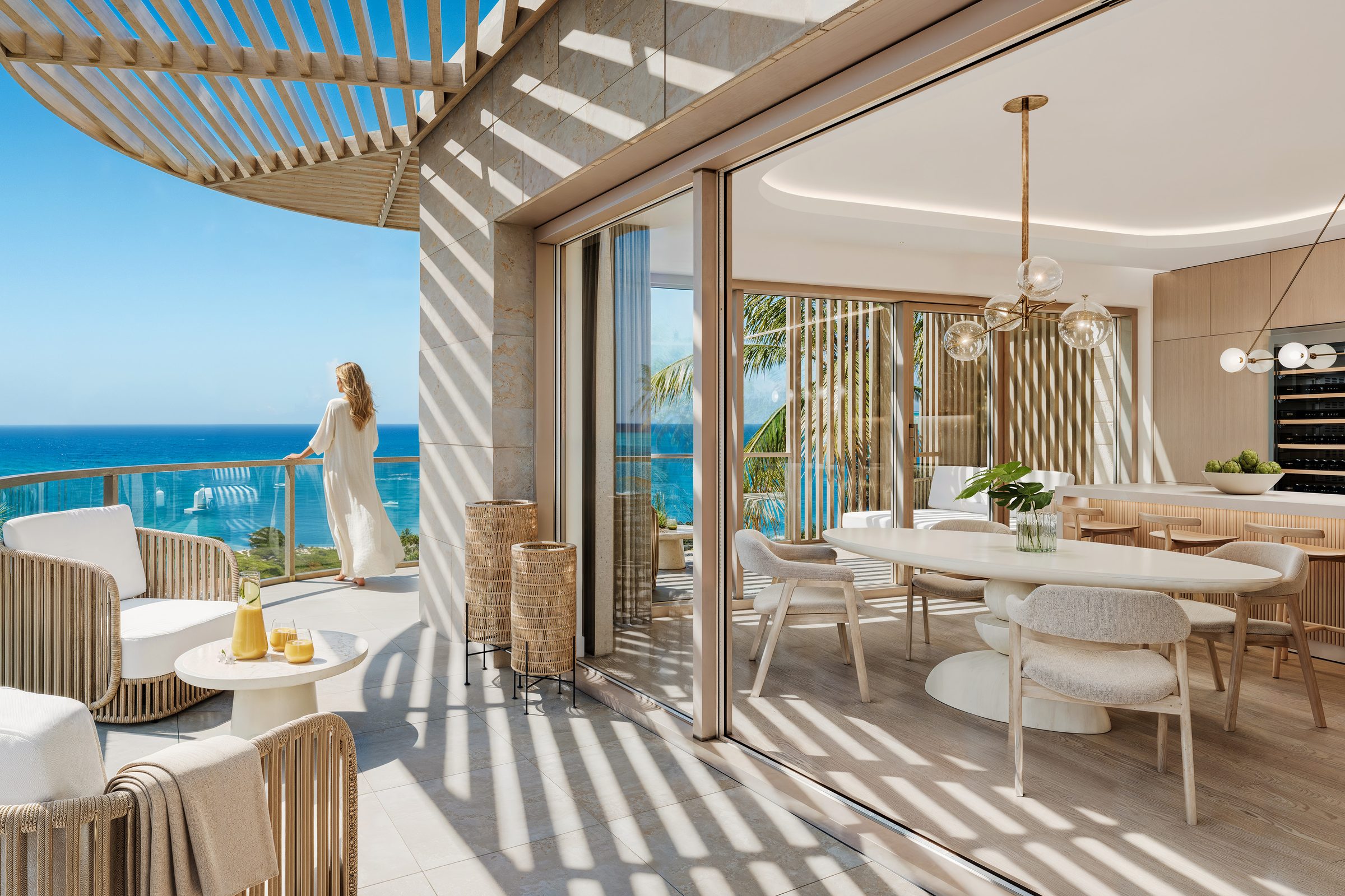
Jolly Harbour
Antigua's purpose-built marina community on the west coast — canal-front villas, a working boatyard, a golf course, and the island's largest concentration of foreign residents.
- IslandAntigua
- CharacterPurpose-built marina & residential community
- PropertyCanal-front villas, townhouses, Harbour Islands, Reeds Point
- RouteOrdinary freehold — 7% licence; not a CBI-approved project
- FromUS$870,000 whole
Residences available.
Every unit currently on the book here, with what is off-market available on request.

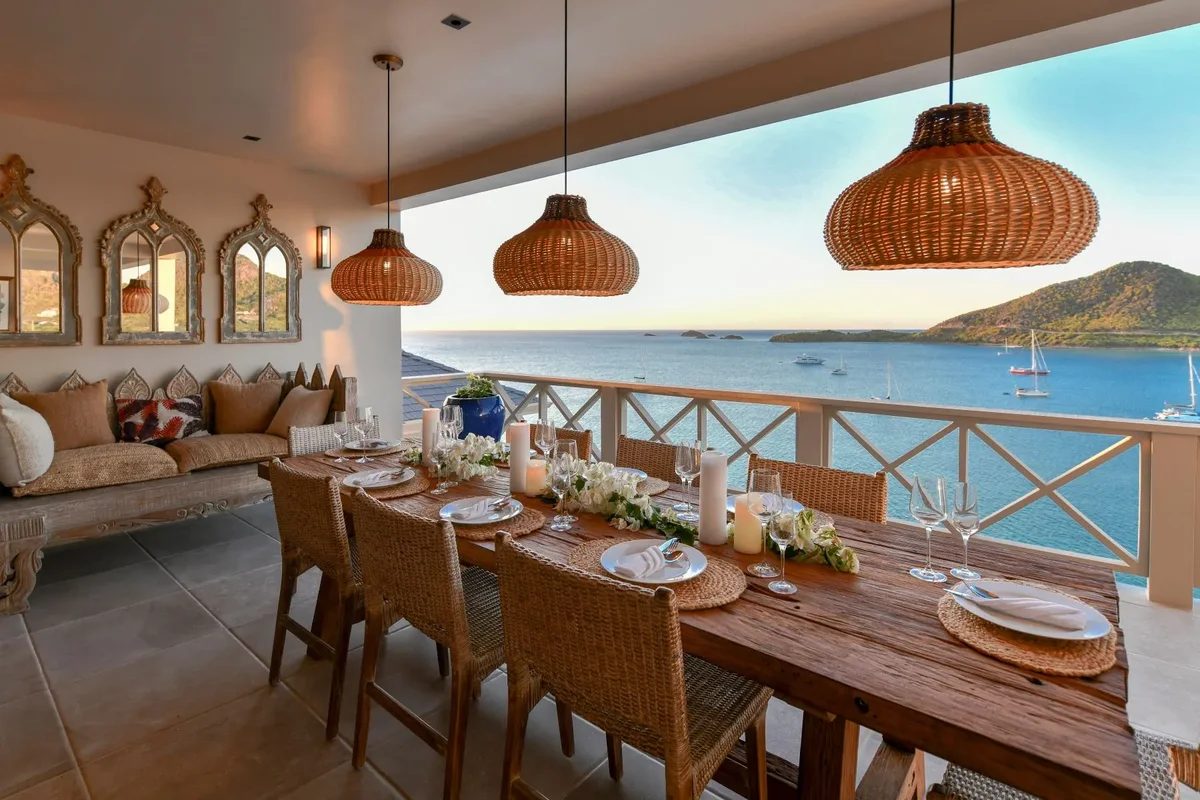
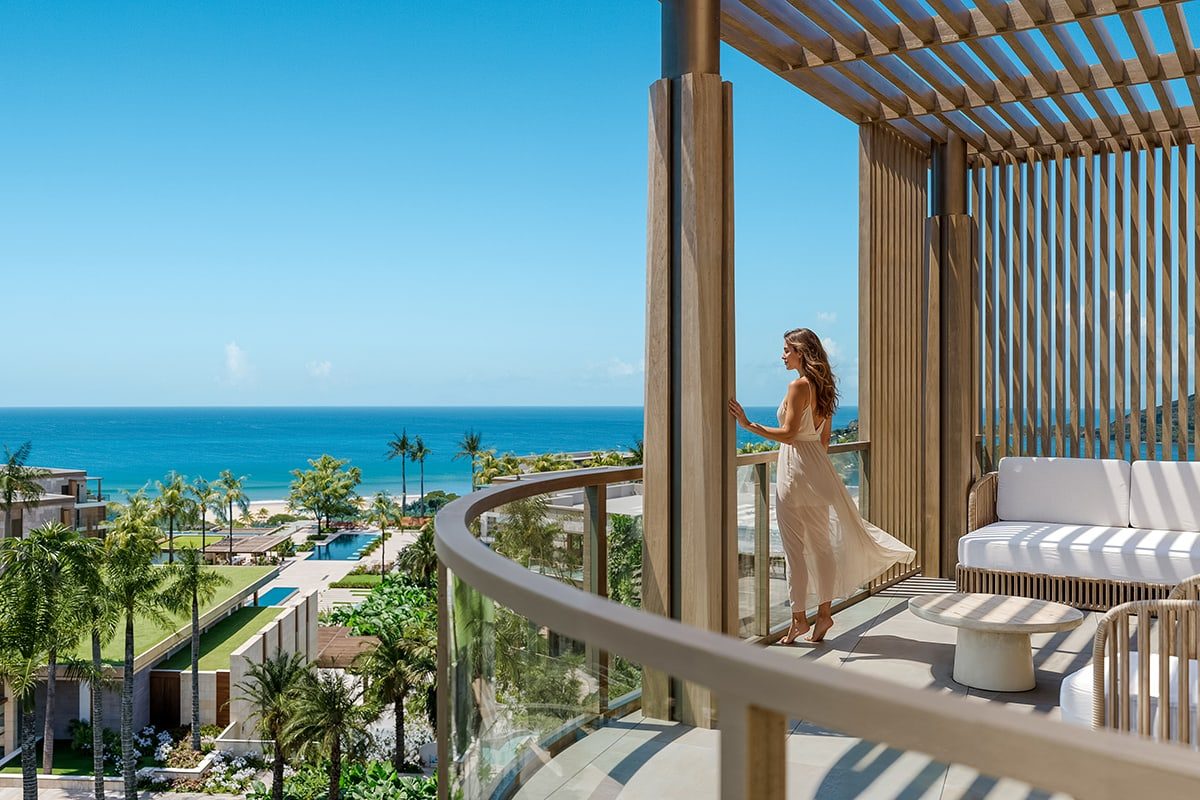
6-Bed Reeds Point Villa with Infinity Pool, Antigua

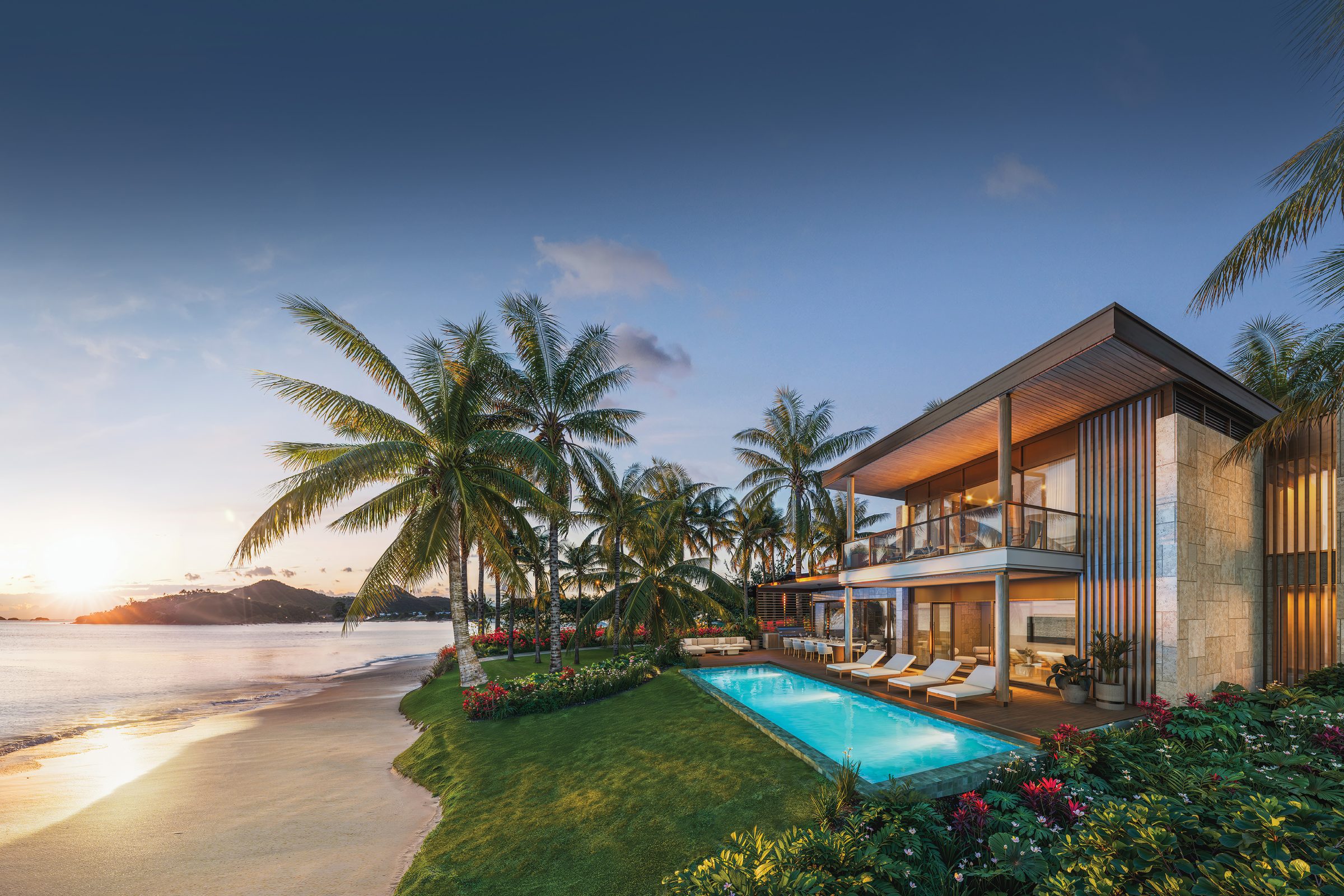
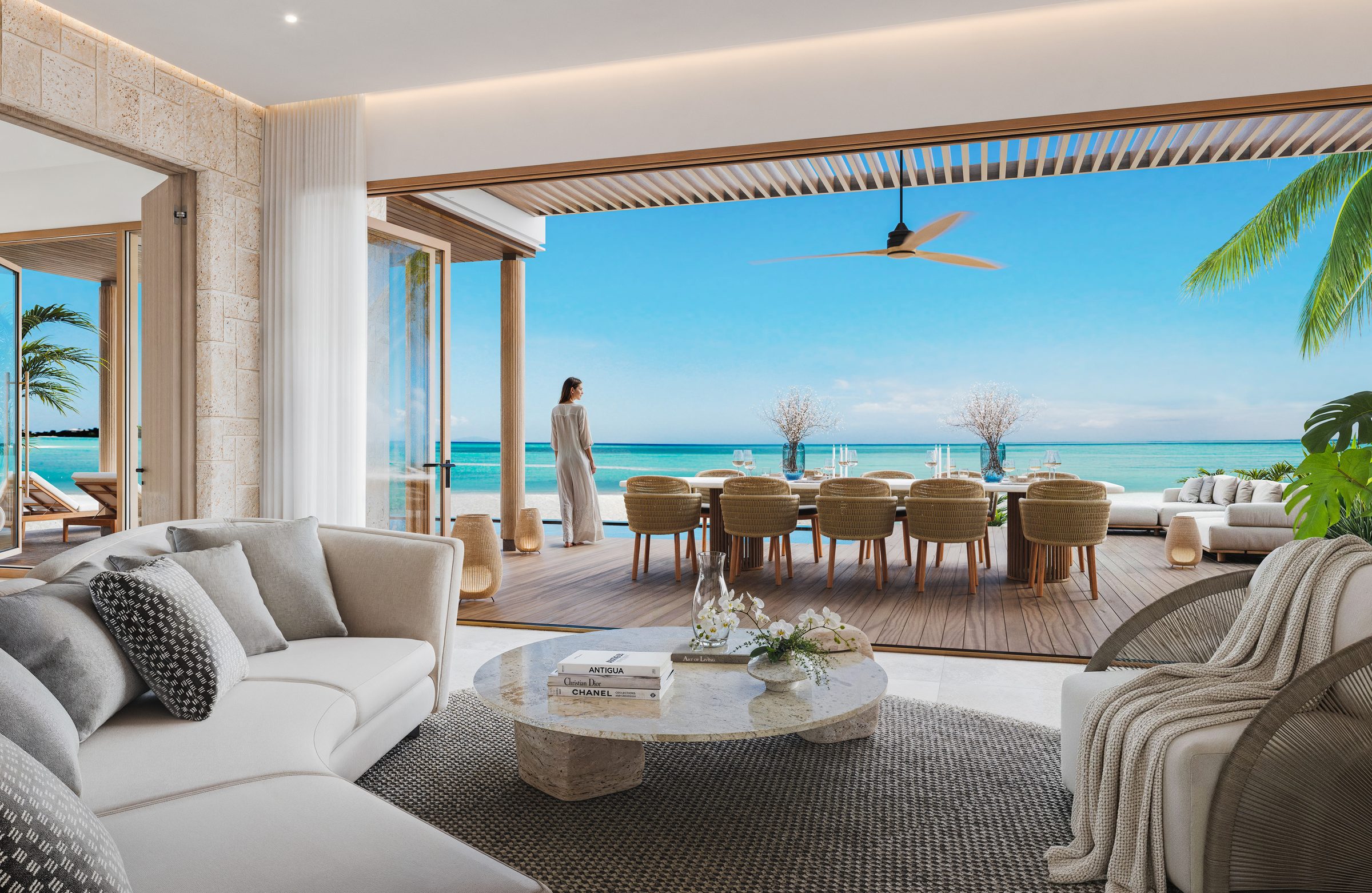
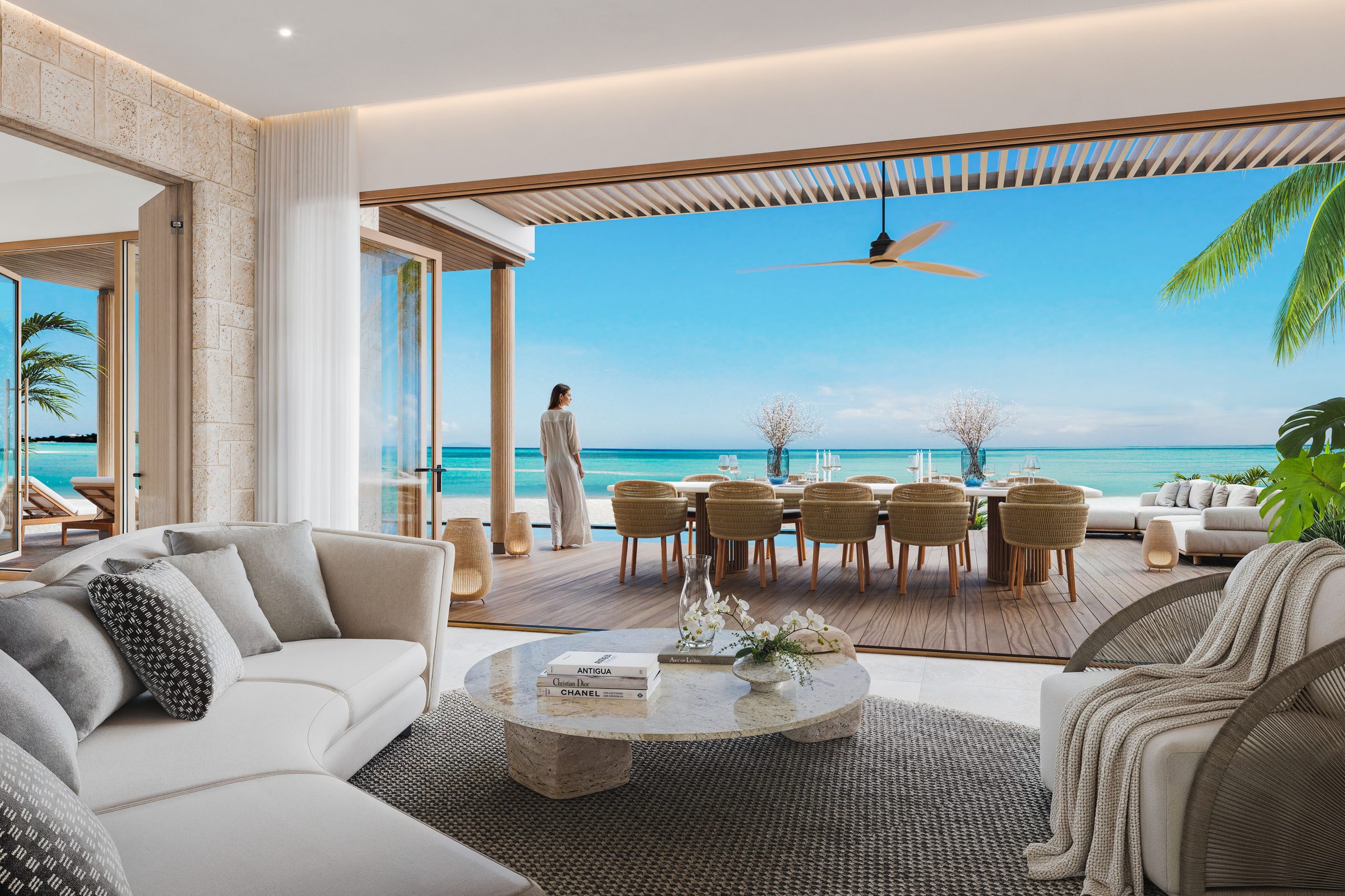
Four-Bedroom Beachfront Villa, Jolly Harbour Residences

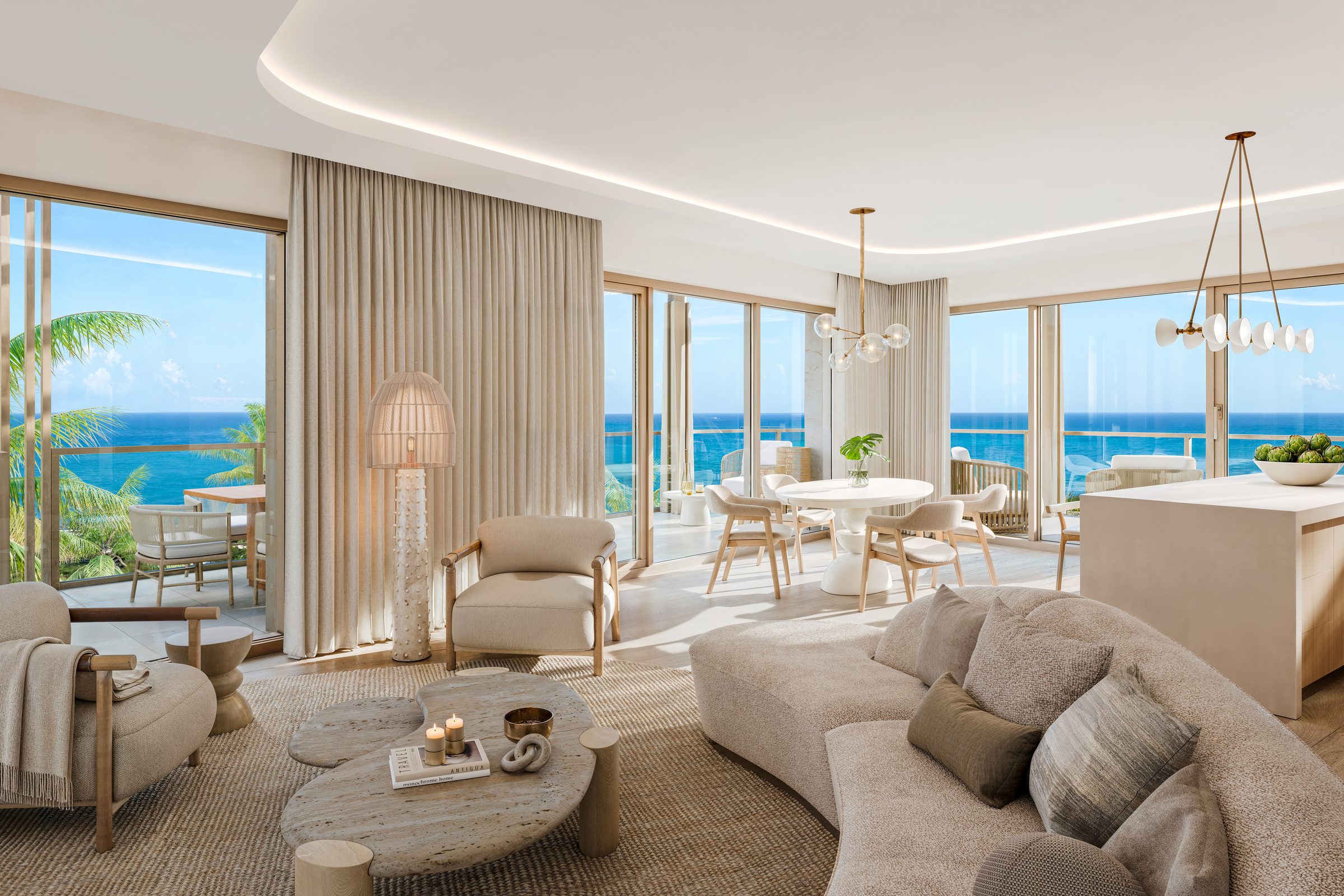
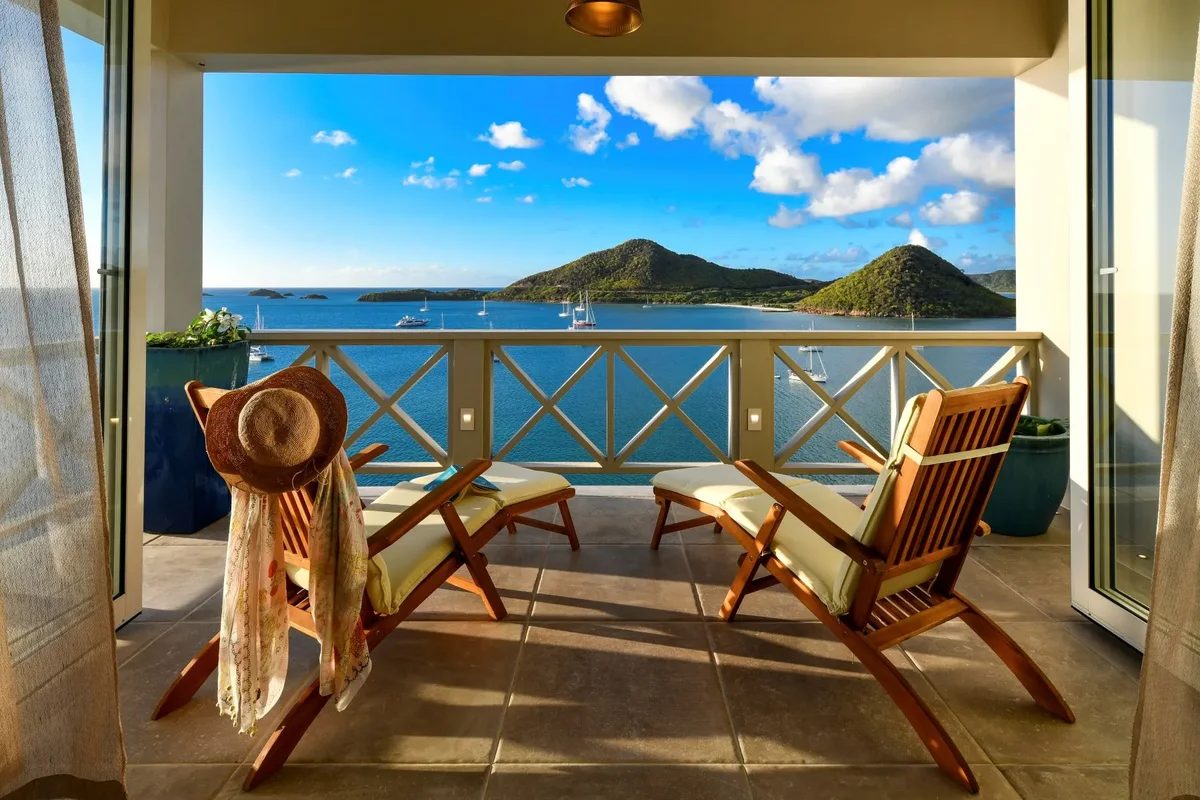
Three-Bedroom Residence, Jolly Harbour Residences

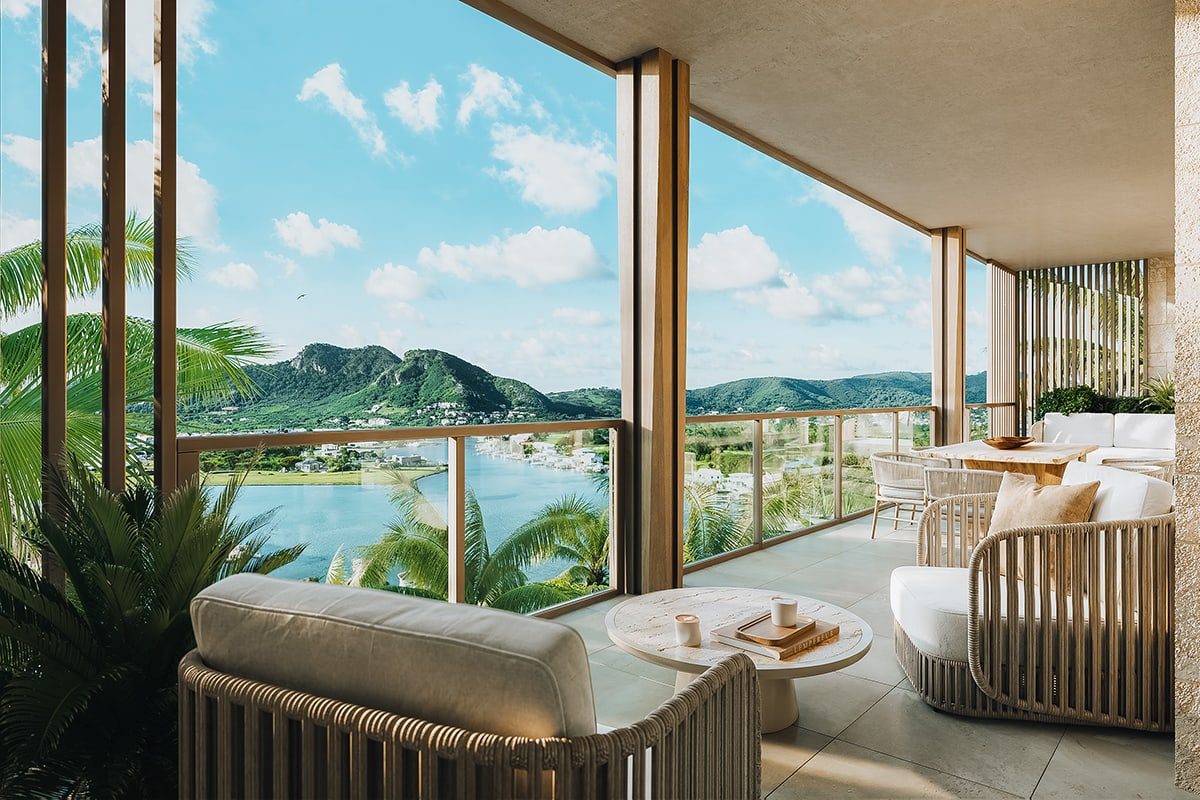
Two-Bedroom Residence, Jolly Harbour Residences

One-Bedroom Residence, Jolly Harbour Residences

Studio Residence, Jolly Harbour Residences
Get the current price list for Jolly Harbour
Dan sends what is available now, including residences that are not advertised, with prices, floor plans and terms. He replies personally within one business day.
- Tell Dan what you have in mindBudget, timing and the kind of home. Two minutes, and it stays private.
- Get pricing and availabilityCurrent prices, what is genuinely available and what is coming, within one business day.
- Talk it throughA 30-minute call with Dan when you are ready. No fee, no obligation.
About Jolly Harbour
If you asked where someone moving to Antigua should actually live — not holiday, live — the answer is Jolly Harbour more often than anywhere else. It is not the prettiest part of the island and it is not where the trophy properties are. It is where you can buy groceries, keep a boat, play golf, get your car fixed and find a doctor without a forty-minute drive. On a small island that matters more than people expect, and it is why Jolly Harbour holds the largest concentration of foreign residents in Antigua.
It was built as a planned community rather than a village that grew — developed from the 1990s on reclaimed land, with a network of canals cut into the coast and villas backing onto the water with berths at the door. That origin explains its character: orderly, and slightly suburban in a way older Caribbean settlements are not. Some buyers find it lacks the soul of English Harbour. Those with boats, children, or an intention to live here year-round tend to find it the only part of the island that genuinely works day to day.
Read Dan’s full review of Jolly Harbour
The infrastructure is the product. A working marina and boatyard, an 18-hole golf course, a decent supermarket, a strip of restaurants and bars, a pharmacy and clinic, and the island's best concentration of trades — fifteen minutes from the capital and about half an hour from the airport. Dan keeps an office here, which is how the practice walks a property before a client flies.
Property runs in four recognisable bands. Canal-front villas on the fingers are the signature product — two- and three-bedroom villas with a small dock at the back, the most liquid segment and where most transactions happen, with the North Finger generally the most sought-after. Townhouses and apartments near the golf course or the commercial centre are the most affordable entry and a good lock-up-and-leave base. Harbour Islands holds larger, more private homes on their own islands within the development, with proper waterfront and better berthing. And Reeds Point is estate land and larger villas on the headland, with the best views on this stretch of coast and prices to match.
Two things catch foreign buyers out, and they have one cause. Antigua places no restrictions on foreign ownership, but that is not the same as no licence: the Non-Citizens Land Holding Regulation Act charges 7% of the market value of the land, and three to six months is a realistic processing estimate. Add the buyer's 2.5% stamp duty and those two are the whole government charge on your side, before legal fees. The exemption is narrower than agents imply — it applies to real estate bought through the Citizenship by Investment Program at the US$300,000 minimum inside a government-approved development, and no ordinary Jolly Harbour resale is an approved CBI project. The same fact that means a canal villa will not deliver a passport also means it will not save you the 7%.
One practical point specific to here, and it is the most commonly missed: check what your title actually includes. Dock rights, berth allocation and shared-area obligations vary between properties, and two apparently identical canal villas can differ on whether the berth is owned, licensed or shared.
Everything above describes what Jolly Harbour is. What follows is what it costs — at purchase, every year you hold it, while you let it, and on the day you sell. Two of those numbers changed in the last six years and the superseded figures are still in wide circulation, including in material published by the government itself, so each one below is given with the instrument it comes from.
What your title includes, and what arrives by separate agreement
The berth is the distinction that decides value here, and it is not always in the deed. A canal villa can hold its dock three ways. It can be owned, forming part of the parcel and passing with it. It can be licensed, granted to you personally by the marina or the association and not automatically transferable to a buyer. Or it can be shared, an allocation from a common pool with no fixed position and no guarantee of a berth in a busy season. Two villas on the same finger, at the same price, can differ on this, and the difference is worth a great deal more than the price gap between them.
Establish it in writing before the deposit, in these terms. The first point to settle is whether the berth sits within the parcel as registered or is granted separately. If it is granted separately, the document has to name who grants it, under what instrument, for what term, and whether it is assignable to a purchaser without consent. The annual dues need the same treatment: the amount, whether they sit inside the community charge or run alongside it, and who holds the power to set them. Where the berth is shared, establish how many berths serve how many villas and how a peak-season allocation is decided. An agent’s assurance is not an answer to any of that; the document is.
Shared-area obligations vary in the same way. Canal walls, dock structures, the water in the canals themselves and the roads behind the fingers are maintained by somebody, funded by somebody, and the split between the association, the marina operator and individual owners is not uniform across the development. Ask what your particular obligation is, and ask what has been levied on it in the last five years.
Arrears travel with the lot. An unpaid community charge left by the outgoing owner becomes your problem on completion unless it is cleared beforehand. Ask for a statement of account from the association, dated within the month of completion, and make its production a condition rather than a courtesy.
The government’s take at purchase, and the rate that changed in 2020
Buyer’s stamp duty is 2.5% — $2.50 per $100 of consideration, with no non-citizen uplift and no threshold below which it stops. Transfers between spouses are charged at 2%, and a transfer from a parent or grandparent to a child at 1% on the first $500,000. There is no separate property transfer tax in Antigua and Barbuda; stamp duty and the landholding licence are the whole of the purchase-side charge.
The Non-Citizens Land Holding Licence is charged at 7% of the market value of the land. That rate was set by the Non-Citizens Land Holding Regulation (Amendment) Act 2020, No. 32 of 2020, section 7 of which repealed the fee provision in Cap. 293 outright and substituted a new Schedule. The 5% figure that is still widely quoted — by agents, by comparison sites, and in documents that predate the amendment — is the pre-2020 rate. On a purchase of any size the two-point difference is a substantial sum, and it belongs in the offer rather than in a surprise at completion. An application fee of EC$100 is payable in addition. The mechanics and the timeline are set out in the landholding licence guide.
Note what the 7% is charged on. It is assessed on the market value of the land, which is not the same base used in every other jurisdiction in the region — several charge the equivalent licence on the full consideration including the building. That distinction works in a buyer’s favour on a developed villa and against a buyer on bare land, and it is worth having your attorney confirm the assessed land value before you sign rather than after the licence is issued.
Antigua and Barbuda Sales Tax on professional fees is 17%, not the 15% that appears in a good deal of older material — the standard rate was set by the Revenue (Miscellaneous Provisions) Act 2023 No. 13, s.2(a). Legal fees themselves are not published as a scale here, so ask for a written quotation and confirm whether the figure quoted is before or after tax.
The annual cost of holding a villa here
Property tax runs at 0.20% on land and 0.30% on buildings. The operative instrument is the Property Tax (Rates of Tax) Order 2024, S.I. 2024 No. 65, in force from 1 January 2025. That order superseded earlier rates twice over, which is why several different figures for Antiguan property tax are in circulation and why the one you are shown should be checked against the current order rather than against a comparison table.
The community charge is not published anywhere. Nobody outside the development can tell you what it is, and the number varies by band and by position. Ask for the charge on the specific villa, three years of actual accounts rather than a budget, the reserve or sinking-fund balance, the notice period for an increase, and what is excluded from it.
Ask specifically what the reserve has faced. A canal development has a maintenance obligation that a hillside villa does not: silt accumulates, canal walls need work, and dock structures have a finite life in salt water. Jolly Harbour has been in the water since the 1990s, so at least one significant item of that kind has already come due. How it was funded — from reserves, or by a levy on owners — tells you more about the association’s finances than the current balance does.
Insurance is the other line that moves. Ask for the master policy, the windstorm deductible in money rather than as a percentage, and the sum insured measured against a current rebuild cost. Where the villa is insured separately rather than under a master policy, get a quotation before you commit, because a canal-front position and a hurricane season price differently from an inland one.
Letting a canal villa, and what comes off the top
Rental income paid to a non-resident is withheld at 25% at source. That comes off the gross, before your management fee, before the community charge, before property tax and before the cost of putting the villa back into condition each year. A yield quoted to you as a percentage has almost never passed through any of those five, and the first question to ask about any such figure is which of them it already accounts for.
Sales tax applies to accommodation at its own rate, while the sale of residential property is exempt. Which rate reaches your letting depends on the model you run and on whether you are registered, so settle it with an accountant on the island before the first season rather than after it.
The berth question returns here, and it catches people. If your dock is licensed to you personally rather than owned with the parcel, a tenant may have no right to use it. Advertising dockage you cannot lawfully sublicense is a problem you inherit rather than one you create, and it is a common source of dispute in canal communities. Establish, in writing, whether the berth may be used by a paying guest, whether the vessel must be registered to the owner, and who pays the dues during a let.
American owners have a second filing regardless. The United States taxes its citizens and green card holders on worldwide income, wherever the property sits and wherever the tenant pays. How Antiguan withholding interacts with a US return depends entirely on your own position, and that is a question for a US adviser before you buy rather than a matter of general guidance.
Selling later, and the tax that only non-citizens pay
Vendor’s stamp duty is 7.5%. The government’s own legislation site still publishes a stale Cap. 410 showing 5%, but the 1994 Act substituted the whole of that Schedule and governs. If a vendor’s attorney quotes 5%, they are reading the superseded text, and it is worth knowing which figure is in the completion statement before it is drawn.
A Land Value Appreciation Tax of 5% applies to non-citizen disposals. It is charged not on the sale price but on the difference between the value of the land when you became the owner and its value on disposal. It falls on non-citizen sellers only, which is to say on almost every foreign buyer at Jolly Harbour, and it does not appear in most comparisons of Caribbean transaction costs.
That makes your acquisition value a document you keep. Because the charge is calculated from the value at the date you became owner, the assessment made for your landholding licence at purchase is the figure the tax is measured against years later. Keep the licence, the assessment and the completion statement together, and treat them as part of the asset rather than as closing paperwork. A seller who cannot evidence the opening value is arguing from a weaker position than one who can.
Read the exit as a whole. The vendor’s stamp duty is a fixed proportion of the price; the appreciation tax is a proportion of the gain and therefore rises with how well the purchase performed and how long it was held. Neither is a reason not to buy, but together they mean a short hold has a good deal of ground to make up before it has made anything, and that belongs in the decision at the front rather than at the end.
The landholding licence has been 7% since 2020, not 5%
The rate was raised by the Non-Citizens Land Holding Regulation (Amendment) Act 2020, No. 32 of 2020, which repealed the fee provision in Cap. 293 and substituted a new Schedule. The 5% figure still circulates widely in agent material and comparison tables because it was correct before that date. An EC$100 application fee is payable in addition. The charge is assessed on the market value of the land rather than on the full consideration including the building, which is a different base from the one several neighbouring jurisdictions use.
Buyer’s stamp duty is 2.5%, with no non-citizen uplift
Correct, at $2.50 per $100 of consideration from the first dollar, and a foreign buyer pays what a citizen pays. Two concessions narrow it: 2% on a transfer between spouses, and 1% on the first $500,000 where a parent or grandparent transfers to a child. Nothing further is levied on the transfer itself — between them, stamp duty and the landholding licence are the whole of the purchase-side government charge. Budget separately for sales tax at 17% on professional fees.
Property tax is 0.20% on land and 0.30% on buildings
Those are the rates in the Property Tax (Rates of Tax) Order 2024, S.I. 2024 No. 65, effective 1 January 2025. Rates have now been superseded twice, which is why stale Antiguan figures circulate so widely — check whatever you are quoted against the current order rather than against a brochure. The community charge is a separate matter entirely and is published nowhere, so ask for the number on the specific villa, with three years of accounts behind it.
Non-citizen sellers pay a 5% Land Value Appreciation Tax on the gain
Yes, and the base is what matters: the charge falls on the difference between the land’s value when the non-citizen acquired it and its value on disposal, which makes it a measure of gain rather than a slice of the sale price. Citizens do not pay it. A vendor also faces stamp duty at 7.5%. The government’s legislation site still publishes a Cap. 410 showing 5%, but that text is stale — the 1994 Act substituted the Schedule outright and governs.
Keep the licence assessment; it sets the base for the tax you pay on exit
The Land Value Appreciation Tax measures the gain from the value at the date you became owner, and the assessment made for your landholding licence at purchase is the figure that opening value is taken from. Keep the licence, the assessment and the completion statement together for as long as you hold the property.
A berth can be owned, licensed or shared, and the deed does not always say
Establish whether the berth sits within the registered parcel or is granted separately; if separately, by whom, for what term, and whether it is assignable to a purchaser without consent. Establish the dues and whether they sit inside the community charge. Where the berth is shared, establish how many berths serve how many villas and how a peak-season allocation is decided. Two identical-looking canal villas can differ on all of this.
Rental income to a non-resident is withheld at 25% at source
The deduction comes off gross rent, before management fees, community charge, property tax and annual refurbishment. Sales tax applies to accommodation at its own rate while the sale of residential property is exempt. If the berth is licensed to you personally rather than owned with the parcel, a tenant may have no right to use it — confirm in writing whether a paying guest may, whether the vessel must be owner-registered, and who pays the dues during a let.
Owned, licensed or shared: three different berths
A berth at Jolly Harbour can come to you in three ways, and they are not interchangeable. An owned berth is a property interest in an identified berth that transfers with the villa: the strongest version, and the one buyers assume they are getting. A licensed berth is a contractual right to use one, granted by the community or marina operator, so it depends on a counterparty and your buyer inherits a contract. A shared or allocated berth is access to a pool, sometimes seasonal, and a buyer with a specific boat cannot rely on it. Ask your attorney to identify the instrument that creates the berth right, whether it passes automatically on transfer, and what can end it. Two canal villas at the same asking price, one with an owned berth and one with a seasonal allocation, are not the same asset.
The beachfront development next door, on Jolly Beach
The most significant development on this coast in years is arriving on the former Jolly Beach Resort site, next door. Jolly Beach, where it sits, and Jolly Harbour, the marina community, are adjacent but distinct places. A large, high-profile development immediately adjacent generally lifts the neighbourhood, and Jolly Harbour’s existing stock is the cheapest way to be near it. The counterweight is construction disruption in the meantime, and the usual caution that announced developments sometimes slip or change scope.
Who Jolly Harbour suits
It works for people who intend to spend real time in Antigua, boat owners, and families who need schools and a doctor nearby: a Caribbean base without the isolation of a remote villa. It works less well for buyers chasing a trophy property or absolute privacy. Jolly Harbour rents better than most of the island because of the marina and the amenities, but Caribbean rental cashflow is still harder than the projections suggest.
- Antigua & Barbuda citizenship
- Antigua market guide
- The 7% landholding licence

Dan Merriam
“I’ve been based full-time in Antigua & Barbuda since 2021, and I know this country like the back of my hand. It’s a difficult market to navigate, with a reputation for being slow to get things done, but even with all of the challenges, I still think the opportunity here for real estate investment and development is great.”
Dan Merriam is a licensed real estate and investment migration professional who tracks pricing and availability across the region’s resort and branded developments. He compares the units for you, explains the ownership, rental program and citizenship rules, and builds a data room with detailed pricing and availability when you’re ready.
Explore Jolly Harbour with Dan.
Send a private inquiry to see current availability, ownership structure and pricing.
Request a Consultation