
Royal Westmoreland
Barbados's established gated golf estate on the west coast — resale villas, building plots and a managed rental program.
- IslandBarbados (west coast)
- AnchorGated golf estate
- RouteNo CBI — residency
- ProductResale villas, apartments, plots
- FromUS$629,000 whole
Residences available.
Every unit currently on the book here, with what is off-market available on request.

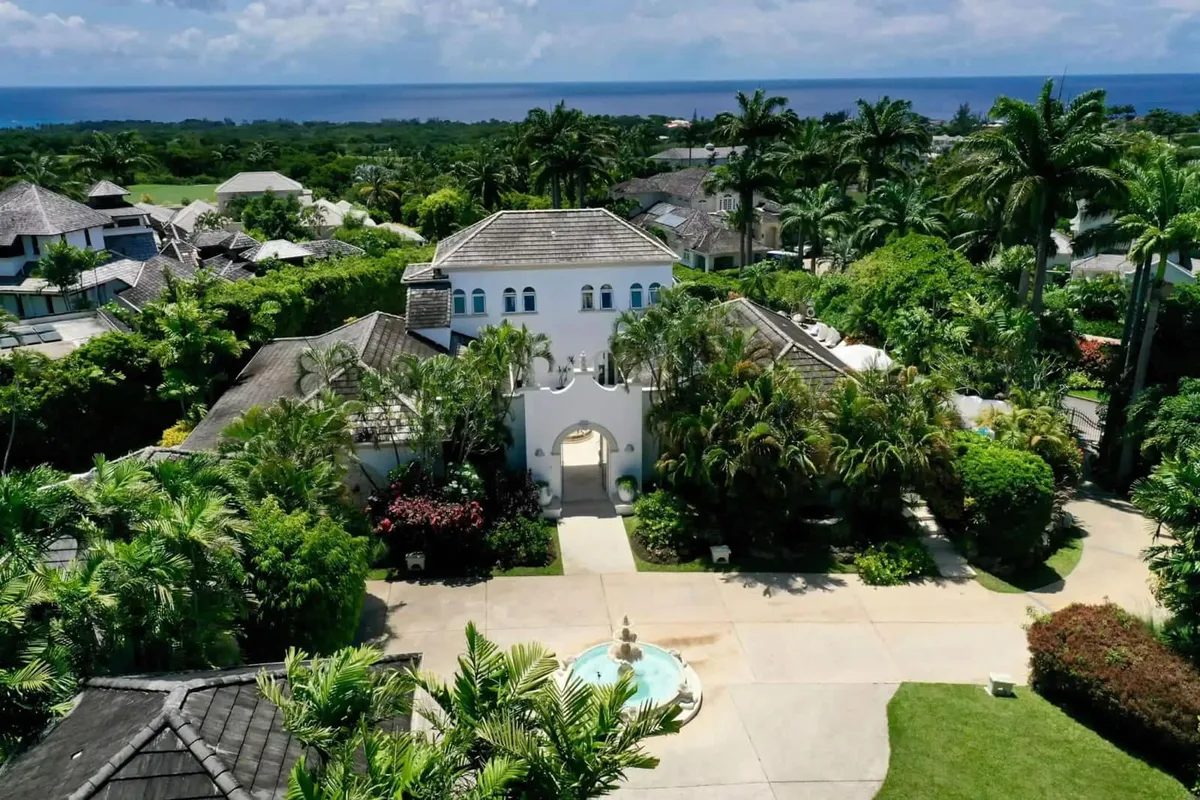
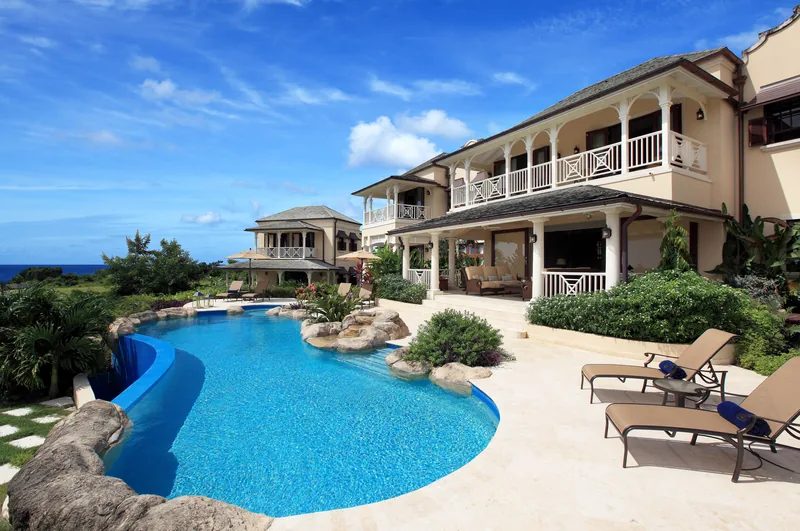
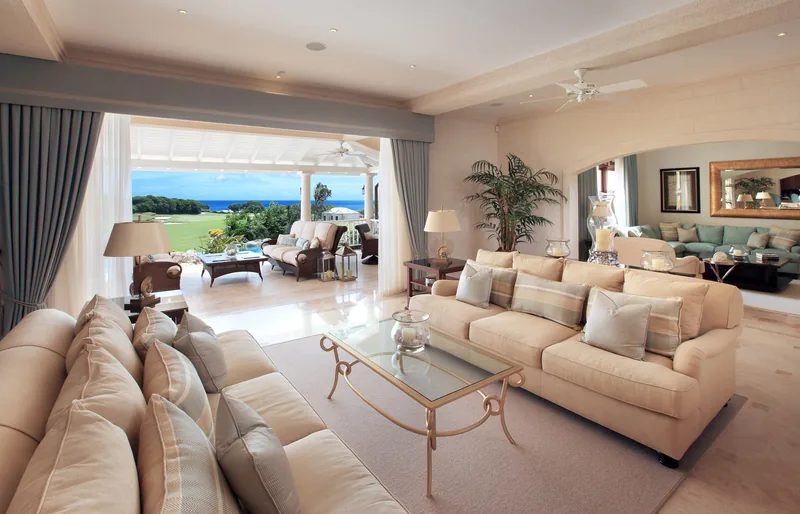
Royal Westmoreland Six-Bedroom Villa, Barbados

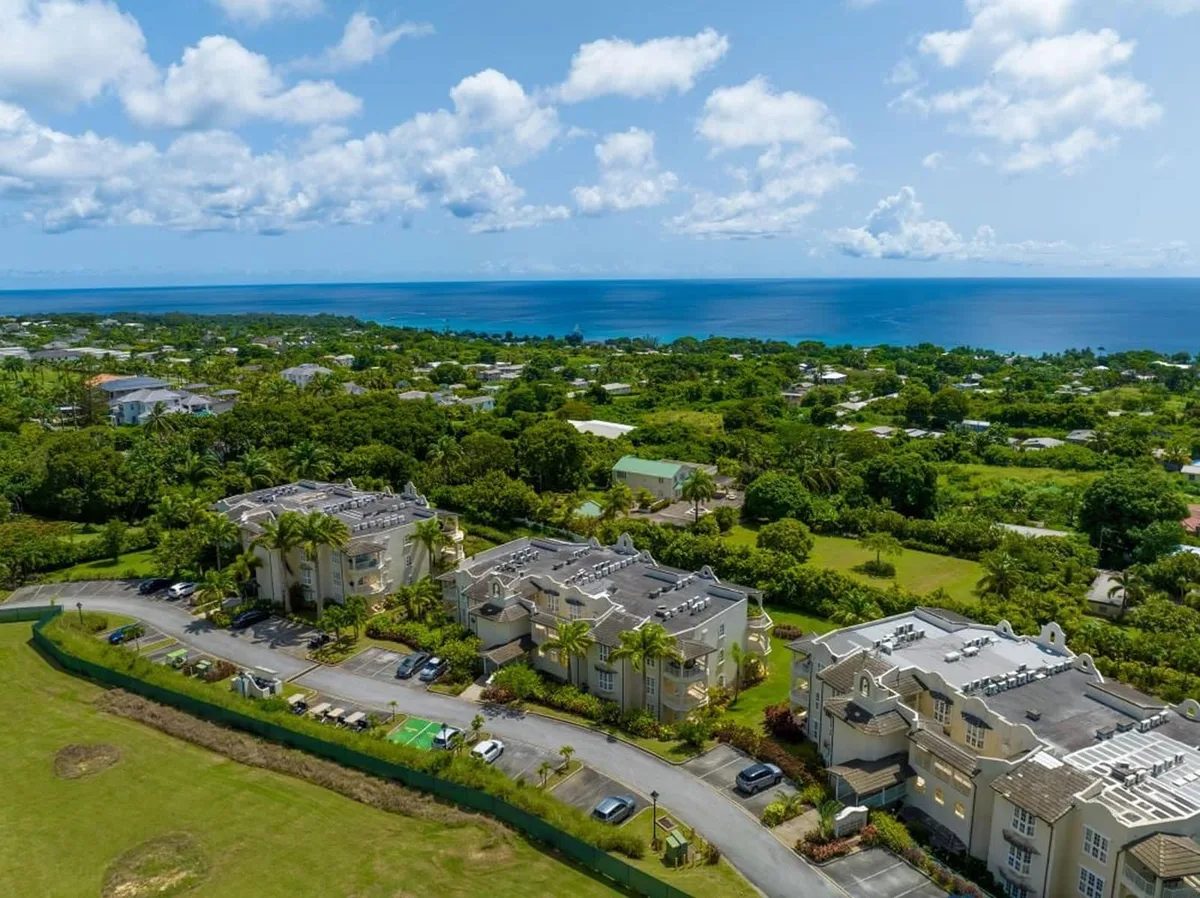
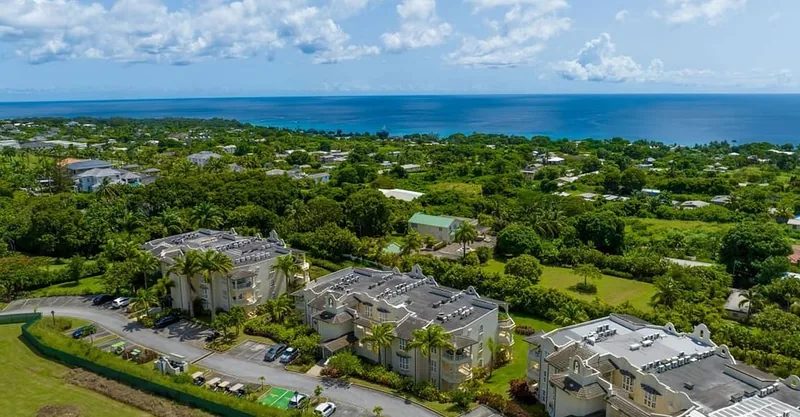
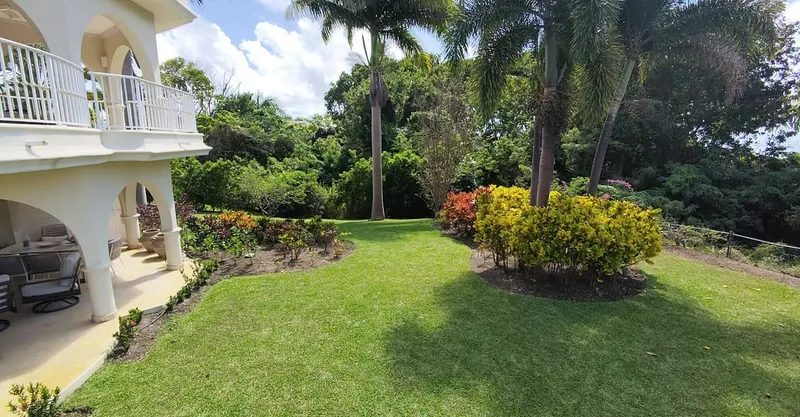
Royal Westmoreland Royal Apartment, Barbados
Get the current price list for Royal Westmoreland
Dan sends what is available now, including residences that are not advertised, with prices, floor plans and terms. He replies personally within one business day.
- Tell Dan what you have in mindBudget, timing and the kind of home. Two minutes, and it stays private.
- Get pricing and availabilityCurrent prices, what is genuinely available and what is coming, within one business day.
- Talk it throughA 30-minute call with Dan when you are ready. No fee, no obligation.
About Royal Westmoreland
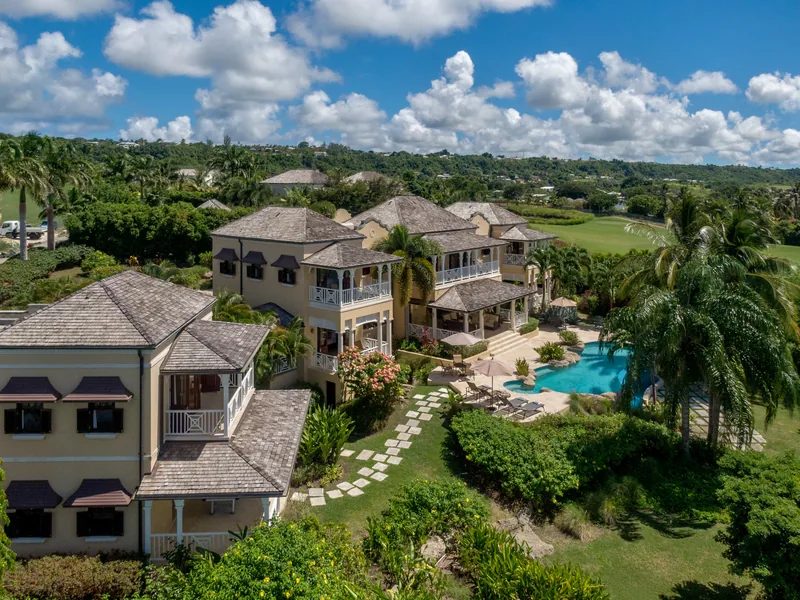
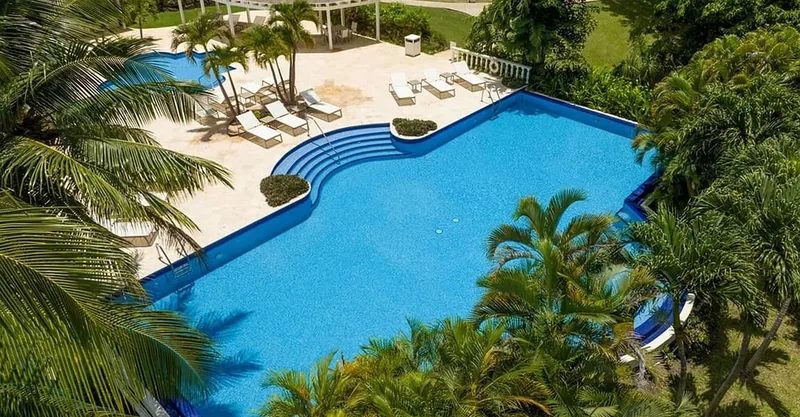
Royal Westmoreland is one of Barbados's most established gated communities — a golf estate on the west coast with a genuine resale market of villas and apartments, building plots for a bespoke home, and a resort-managed rental program. It's a proven, liveable community rather than a launch.
Barbados offers residency rather than citizenship, so this is about lifestyle, a stable west-coast asset and a straightforward base a short flight from the US East Coast. Dan advises on which product — finished villa, apartment or plot — fits the way you'd actually use it.
Read Dan’s full review of Royal Westmoreland
Royal Westmoreland is a gated golf estate in the parish of St James, on the west coast of Barbados, built around a par-72 Robert Trent Jones Jr. course that Top 100 Golf Courses ranks first in Barbados and seventh in the Caribbean. The land runs uphill from the coast road, so most of the estate looks out over the sea rather than sitting on it, and the breeze at that height is the reason people who have lived on the sand come inland.
Title in Barbados is freehold, and non-residents buy here as a matter of routine. In a region where a great deal of “ownership” turns out to be a share in a company that holds a lease, that plainness is worth real money.
The thing buyers get wrong is what the freehold actually includes. It includes a house and the land under it. It does not include the golf. It does not include the beach club — the estate is not beachfront, and the sand is a shuttle ride away at Mullins. And it does not include unrestricted run of the estate in the months you are most likely to be there. Those are membership and pass products, priced separately, and the winter rules are materially tighter than the summer ones.
It is common to see a buyer work the purchase price down to the last pound and then meet the operating side of the estate for the first time after completion. Royal Westmoreland can be a perfectly sound purchase. It is simply not a bundle, and nothing in the sales material goes out of its way to say so.
What you actually own at Royal Westmoreland
You are buying freehold title to a house and its plot. Nothing about the estate’s amenity offer travels with that title automatically — the golf, the clubhouse, the beach club and winter access to the bar and restaurant are all separate products, covered further down.
Ownership itself is straightforward for a foreign buyer, which is not true everywhere in the region. There is no nationality bar, the title is registered land or unregistered land rather than a corporate wrapper, and the conveyancing process is familiar to anyone who has bought in England.
The Barbados side of the numbers is set by government rather than by this estate. Transfer tax, stamp duty, annual land tax, the tourism levies on rental income, VAT and the conveyancing scale are all set out on the Barbados real-estate guide. Two structural points belong here, though, because they change how you model the purchase rather than merely what it costs.
The transaction taxes fall on the seller. They are an exit cost, not an entry cost, so they belong in your resale model rather than your purchase budget. They are also a large part of why non-resident buyers so often hold Barbados property through an offshore company, where a later sale transfers shares rather than land.
Exchange control governs what comes back out. This is the step people skip and regret. Register the incoming funds with the Central Bank at the time they arrive, with the credit advice and the purchase documents, because that registration is what supports taking money out later. Treat it as a day-one item, not a closing item. The published accounts of how much may be repatriated and how quickly do not agree with each other, and the Central Bank’s own material is thinner than the law firms’. Have a Barbados attorney confirm the current position in writing before funds move — not after you have a signed contract.
An offshore holding structure is legitimate and widely used, and it is not free. There are formation and maintenance costs, and the answer turns entirely on your own tax residence. If you are a US person, an offshore holding company carries a heavy US reporting burden of its own and should not be entered into on the strength of a sales brochure. Ask for both routes to be modelled, in writing, before you exchange.
The carrying costs, stated in full
This is where the estate becomes expensive in a way the purchase price does not signal.
The Resort Facilities Charge. Published accounts of this charge disagree, both on the amount and on how it is levied. One gives US$100 a week for one- and two-bedroom properties, rising with size. Another reports US$10 per person per day from the same date. For a large villa sleeping twelve on a two-week winter let, those two structures differ by an order of magnitude, and no primary source from the estate itself could be located. Every account found describes it as linked to occupancy and collected on arrival rather than billed to the owner year-round — so do not annualise it into your standing costs until someone from the estate confirms the basis in writing. Get the amount, the unit and who it falls on, all three, before you budget.
Resort Passes. These are the ones buyers discover late. Winter access to the bar and restaurant requires a paid pass, and the published rates run roughly US$25 per person per day in summer, US$37.50 in the shoulder and winter seasons, and US$50 over the peak fortnight at Christmas and New Year, collected at the beach bar. A family of four across two peak winter weeks is on the order of two thousand dollars — larger than most people’s assumed facilities charge. Put it in the model.
Golf is a separate purchase. It is not attached to the title and does not transfer automatically with the house. See the next section.
Annual land tax is set by the government rather than by the estate and is on the Barbados real-estate guide with the rest of the jurisdiction’s costs. At the values this estate trades at, it is not a small line.
What is not published anywhere, and what you should therefore demand in writing before you commit:
- The current annual dues, and any joining cost, for golf membership.
- Whether your specific neighbourhood levies a service charge on top of the Resort Facilities Charge.
- The buildings insurance premium for your particular villa.
- The cost of pool, garden and housekeeping cover.
On a west-coast Barbados villa those four lines together are not a rounding error. Any seller or agent who cannot produce twelve months of actual invoices is asking you to guess.
Golf, the beach club, and the seasonal fine print
The published rates make the structure clear enough once you read them side by side — with the caveat that different agents publish different structures, so treat any of it as indicative until the club confirms your position in writing.
Guests of full members, through the winter months, pay in the region of US$325 for 18 holes or US$175 for twilight play from mid-afternoon, and play within set windows rather than at will. Visitors with no membership, or with social membership, pay a green fee of about US$350 per round including a cart, with tee times limited to a single daily slot. Guests of a social membership villa are capped at a small number of rounds per person per year. Other published accounts describe a different structure again, with an annual round allowance for social members — which is precisely why you ask.
The restaurant and bar operate on the same seasonal logic. Through the winter season, access requires a paid Resort Pass. Through the summer, they are open to resort guests generally. In other words, the six months when a Barbados villa is most valuable are the six months when the estate’s amenities are most rationed.
On the beach: the estate is not beachfront. Royal Westmoreland owns the beach club at Mullins and operates it directly. It reopened after a major renovation and was reported open from late August 2025, rebranded as the Royal Westmoreland Beach Club and described post-refurbishment as private to members of the club and their guests staying in estate villas. Access terms have moved between members-only and admitting non-members over the years, so get the current position for your villa in writing rather than relying on what an agent remembers. It is reached by a complimentary shuttle from most estate properties.
If your mental picture is stepping off a terrace onto sand, this is the wrong estate; you should be looking at the beachfront strip instead, at a considerably higher price per square foot.
Renting it out, after the levies
Villas here do let. The discipline is to do the arithmetic net of government levies rather than gross of them, and to make sure whoever is projecting your yield is using current rates — stale figures circulate in agents’ spreadsheets, and the Barbados tourism levies have been revised more than once. The rates, the thresholds and the filing mechanics are all on the Barbados real-estate guide. Subtract your management commission after that, and negotiate it rather than accepting the published number.
Two points a letting agent will not raise.
First, the seasonal restrictions travel to your guests. Someone paying peak winter rates for your villa inherits the same Resort Pass requirement at the restaurant and the same tee-time windows. That affects what you can accurately advertise and what your reviews will say. A four-person party in January is buying passes on top of your nightly rate, and they will price that in even if you do not.
Second, the favourable residential land tax banding attaches to residences. A building assessed as something other than a residence is charged on a different basis altogether. Put the villa into commercial rental use and you should confirm with the Barbados Revenue Authority how it will be classified, because the answer can move your annual bill in a direction nobody warned you about.
Residency, not citizenship — and the American problem
Barbados runs no citizenship-by-investment programme. Buying at Royal Westmoreland, at any price, buys you no passport. In a national address in August 2025 the Prime Minister said so directly: Barbados will not sell citizenship. If a second citizenship is the actual objective, you are in the wrong jurisdiction and should be looking at St Kitts and Nevis, Antigua and Barbuda, Grenada, Dominica or St. Lucia, each of which legislates for one.
Barbados offers residency instead, and it is a genuinely good residency — but the two are not interchangeable and the assumption needs correcting more often than you would think. The route that matters here is the Special Entry and Residence Permit. One category is built around an investment of US$300,000 and grants a renewable five-year permit; the other requires a US$2 million investment from funds sourced outside Barbados plus net worth in excess of US$5 million, and carries indefinite permanent residence. Application fees are US$3,500 for applicants over 60 and US$5,000 for those under 60.
Most Royal Westmoreland stock clears the lower investment threshold comfortably. Confirm two things in advance all the same. First, that your specific purchase qualifies as the investment — the definition is not always as broad as buyers expect. Second, what each category does and does not permit by way of working in Barbados, which is a separate question from the right to reside.
If you are a US citizen or green-card holder, read this twice. The United States taxes its citizens and permanent residents on worldwide income regardless of where they live, and a Barbados permit does nothing to change that. You will continue to file with the IRS, report foreign accounts, and pay US tax on your Barbados rental income subject to whatever credit relief applies. The only exit from US worldwide taxation is renunciation of citizenship, a serious and largely irreversible step with its own expatriation tax consequences. Anyone selling you Caribbean residency as a US tax solution is either mistaken or not being straight with you.
What to weigh, and what to raise unprompted
On one agency’s books at the time of writing, the estate shows 32 properties, ranging from US$1,650,000 for a three-bedroom to US$9,400,000 for a six-bedroom. Inventory and asking prices move, and different agencies publish different floors and ceilings for the same estate, so treat that as a shape rather than a quote.
Watch the fractional products carefully. Shared-ownership weeks are marketed at the estate alongside whole villas, at headline numbers a small fraction of a freehold price. Those are not the same asset, they do not behave like one on resale, and a low headline sitting beside seven-figure villas has misled people before. Establish which product you are being shown before you discuss price at all.
The estate is not beachfront, and that setback is the trade at the centre of the purchase: less salt exposure, less storm-surge risk and a lighter insurance premium, in exchange for a shuttle to the sand. Whether it is the right trade depends entirely on whether you will actually play the course. If you will not, you are paying an amenity premium for something you will not use.
Five things worth putting in front of a buyer before they sign:
- You are competing with the developer. A new phase of serviced plots is selling on the estate — the first of three planned neighbourhoods, with infrastructure broken in 2025 and most of the first phase still unsold. New developer inventory sits directly across from owner resales, and the developer can price and package in ways an individual cannot. On an estate where several current listings already carry price-reduction flags, that matters.
- Resale takes time. Golf-estate resale in Barbados runs on a long marketing period. Do not buy this if you might need the money back in three years.
- You do not control the fees. The Resort Facilities Charge is set by the operator with an effective date, not voted by owners. Model it rising, not flat.
- Single-operator concentration. The premium your villa carries rests on one company continuing to fund the course, the clubs and the beach facility to standard, and that company owns and operates the Mullins beach club directly. The estate has been offered for sale within the past decade and has needed external refinancing to secure continuity of ownership. Neither fact is disqualifying; both are reasons to ask what has actually been spent in the last five years.
- Renderings are renderings. Any off-plan or turnkey imagery is developer CGI, not a photograph of a finished building. Ask to walk a completed unit by the same builder before you commit to one that does not yet exist.
If the answer after reading all of this is that Royal Westmoreland is not the right fit, that is a perfectly good outcome, and it costs nothing to reach it now rather than after completion.
What the estate’s listings actually run to
At the time of writing, one agency’s listings for the estate run from US$1,650,000 for a three-bedroom villa to US$9,400,000 for a six-bedroom, across 32 properties. Different agencies publish different floors and ceilings for the same estate, and inventory moves, so use that as a range rather than a quote. A new phase of serviced plots is also selling directly from the developer, which is what you would be competing with on a resale. Shared-ownership weeks are marketed at the estate at far lower headline numbers, but those are a different product from a freehold villa and should not be compared directly.
Freehold is available, and the transaction taxes fall on the seller
Title in Barbados is freehold and non-resident purchasers buy there routinely, either personally or through an offshore holding company. The important structural point is that the transaction taxes fall on the seller in Barbados, so they come off your exit rather than your entry — the rates are on the Barbados real-estate guide. The step not to skip is exchange control. Register the inbound funds with the Central Bank at the time of purchase, because that registration is what supports taking proceeds out later. Published accounts of how much may be repatriated, and how quickly, do not agree with one another. Holding through an offshore company is the common answer to both the transfer taxes and the exchange-control friction, but it has costs and its own reporting consequences, and it should be modelled against your own tax residence before you buy.
The Resort Facilities Charge, and why the accounts disagree
Start with the Resort Facilities Charge, and be careful with it. Published accounts disagree both on the amount and on how it is levied. One gives US$100 a week for one- and two-bedroom properties, rising with size; another reports US$10 per person per day. Every account found describes it as linked to occupancy and collected on arrival, rather than billed to the owner year-round. Get the amount, the unit and who it falls on confirmed in writing before you annualise anything. Then Resort Passes, which are charged per person per day and rise sharply over the winter peak. Then annual land tax, which is set by government and is on the Barbados real-estate guide. Golf membership, insurance, and pool and garden staff are all additional, and no reliable published figures exist for those, so ask the seller for twelve months of actual invoices.
Golf and the clubs do not attach to the title
No, and this is the most common misunderstanding about the estate. Golf membership is a separate product that does not attach to the title. Through the winter months, guests of full members pay in the region of US$325 for 18 holes or US$175 for twilight play and are held to set tee-time windows, while visitors without membership pay around US$350 including a cart and are limited to a single daily slot. Guests of a social membership villa are capped at a few rounds per person per year. Published accounts of the structure differ between agents, so get your own position confirmed by the club. The bar and restaurant require a paid Resort Pass through the winter season, which is precisely when most owners and rental guests are there.
The estate is not beachfront; the beach club is at Mullins
No, the estate is not beachfront. Royal Westmoreland owns the beach club at Mullins on the west coast and operates it directly, reached by a complimentary shuttle from most estate properties. It reopened after a major renovation from late August 2025, rebranded as the Royal Westmoreland Beach Club, and post-refurbishment is described as private to members and their guests staying in estate villas. Access terms have shifted over the years between members-only and admitting non-members, so confirm the current position in writing for your specific villa. The setback from the shoreline does bring advantages in salt exposure and storm surge risk, but if you want to step from your terrace onto sand, this is not that estate.
Model the net after the levies, not before
Model it after government levies rather than before, and make sure the figures are current — Barbados has revised its tourism levies more than once and older, lower numbers still circulate. The rates, thresholds and filing mechanics are on the Barbados real-estate guide. Two things a letting agent will not raise. Your guests inherit the estate’s winter Resort Pass requirement and its tee-time restrictions, which affects what you can advertise and what your reviews will say. And the favourable residential land tax banding attaches to residences, so confirm with the Barbados Revenue Authority how the villa will be classified once it is in commercial rental use.
No Barbados citizenship — residency, through the Special Entry permit
Barbados runs no citizenship-by-investment programme — the Prime Minister said so in a national address in August 2025 — so no property purchase on the island produces a passport. What a purchase can support is residency, through the Special Entry and Residence Permit. One category is built around a US$300,000 investment for a renewable five-year permit. The other requires a US$2 million investment from funds sourced outside Barbados, plus net worth above US$5 million, for indefinite permanent residence. If a second citizenship is your actual goal, you need one of the Caribbean states that legislates for it, not Barbados. And if you are a US citizen or green-card holder, the United States taxes you on worldwide income wherever you live; a Barbados permit changes nothing, and renouncing citizenship is the only exit.
- Barbados residency
- Barbados market guide

Dan Merriam
“With almost 20 years of experience as a real estate investor and a deep understanding of the Caribbean market, I can provide a behind-the-scenes perspective that the sales team won’t.”
Dan Merriam is a licensed real estate and investment migration professional who has lived full-time in the Eastern Caribbean since 2021. He and his team have handled more than US$75M in transactions across the region in the past 24 months, from resale villas to new-build residences and CBI-approved property. They show homes in person or by live video and walk you through what each one really costs to own.
Explore Royal Westmoreland with Dan.
Send a private inquiry to see current availability, ownership structure and pricing.
Request a Consultation