
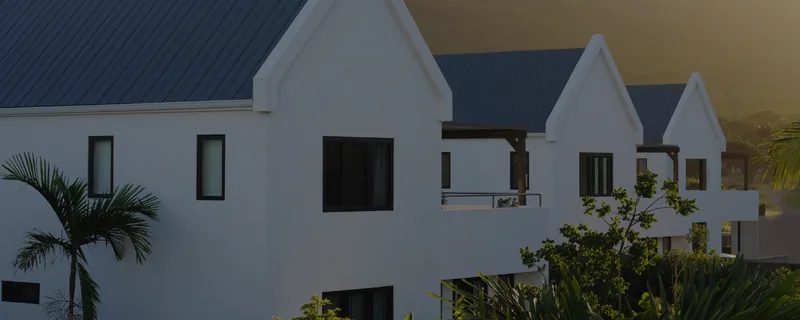
Villas at Pinney's Beach, Four Seasons Nevis
Beachfront villas within the Four Seasons Nevis ecosystem — whole and fractional ownership.
Residences available.
Every unit currently on the book here, with what is off-market available on request.

New One-Tenth Shares, Villas at Pinney’s Beach

Five-Star Beachfront Villas at Pinney’s Beach, Nevis

Villas at Pinney’s Beach 2014 Fractional, Four Seasons Nevis

Villas at Pinney’s Beach 2003 (Fractional), Nevis

Villas at Pinney’s Beach 2015 Fractional, Four Seasons Nevis

Villas at Pinney’s Beach 2003, One-Tenth Share (Sold), Nevis
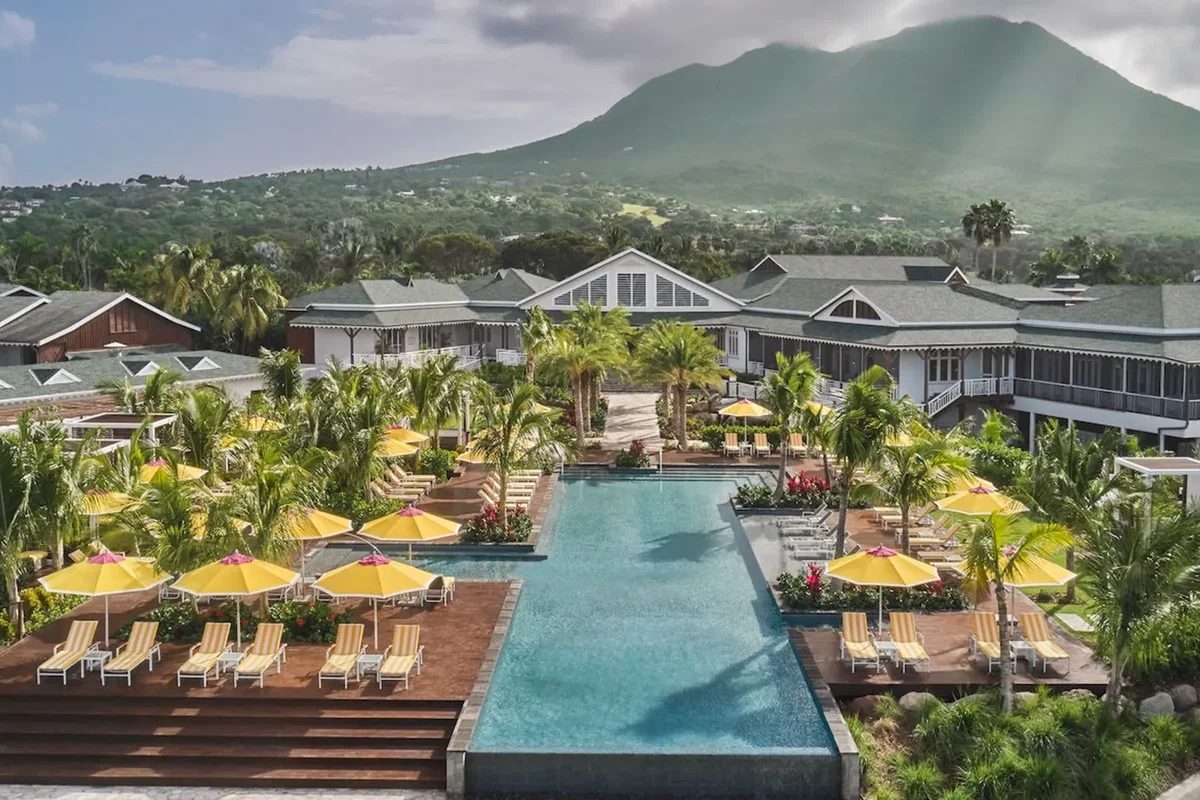
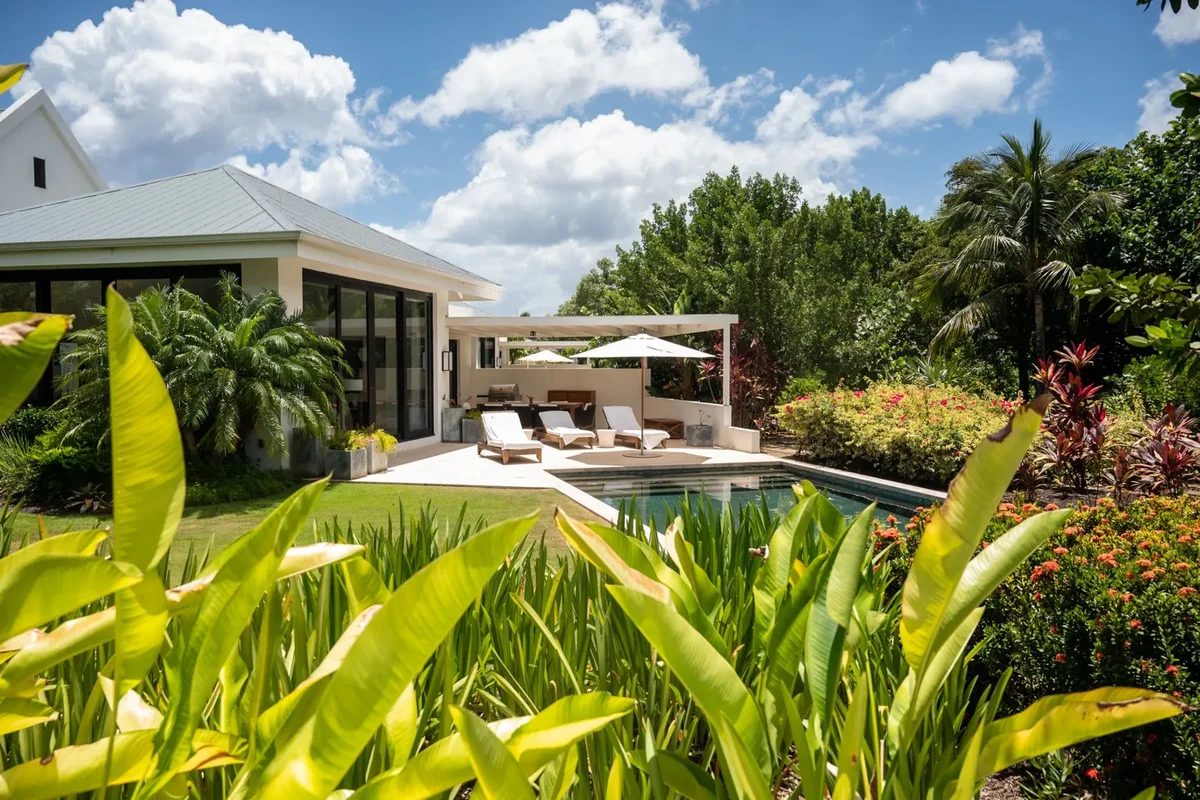
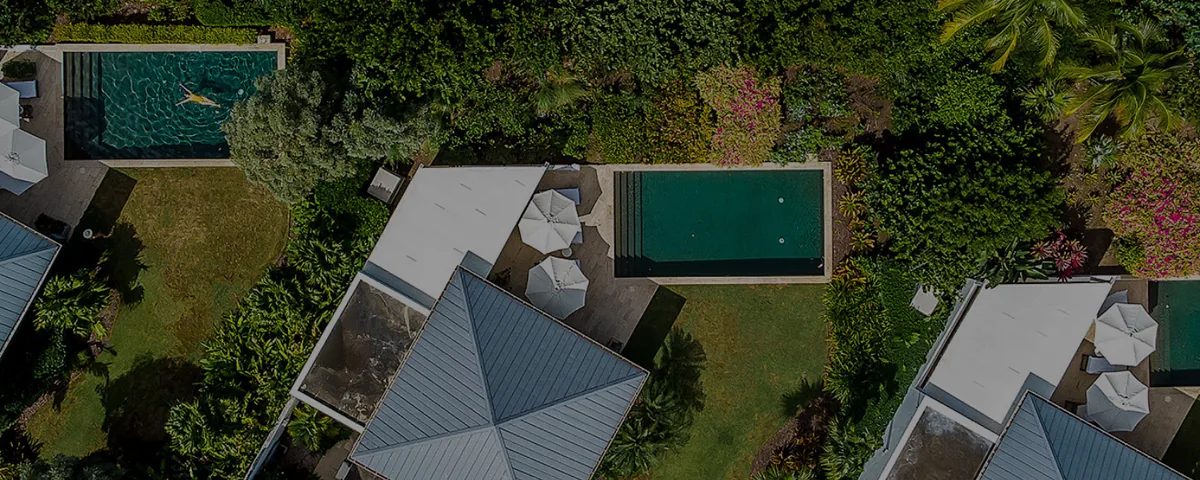
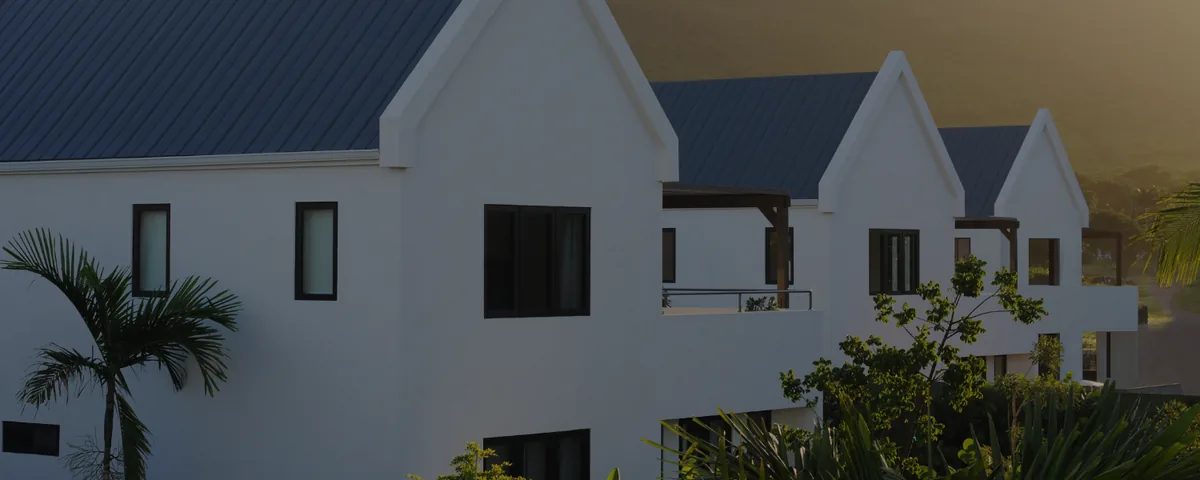
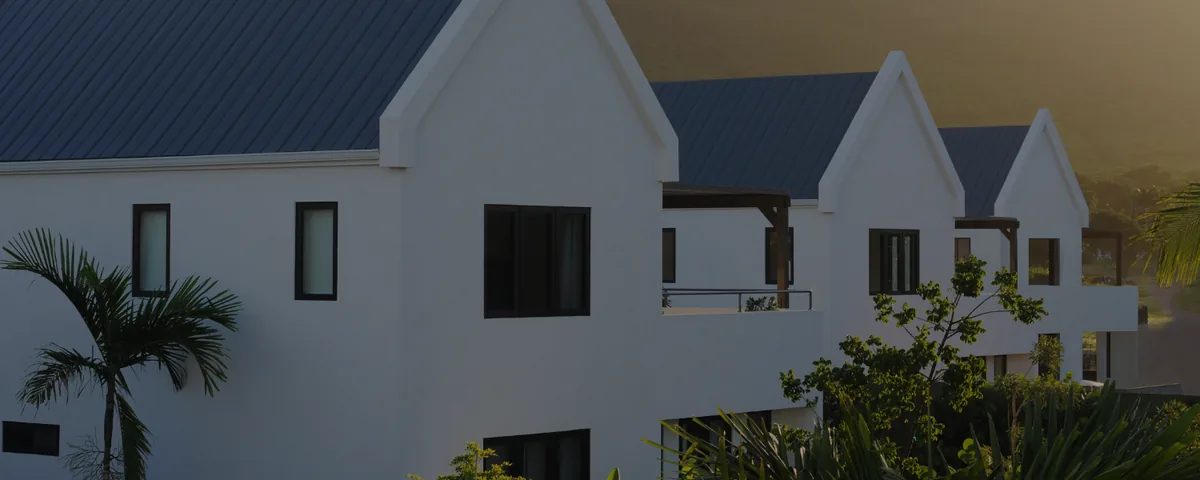
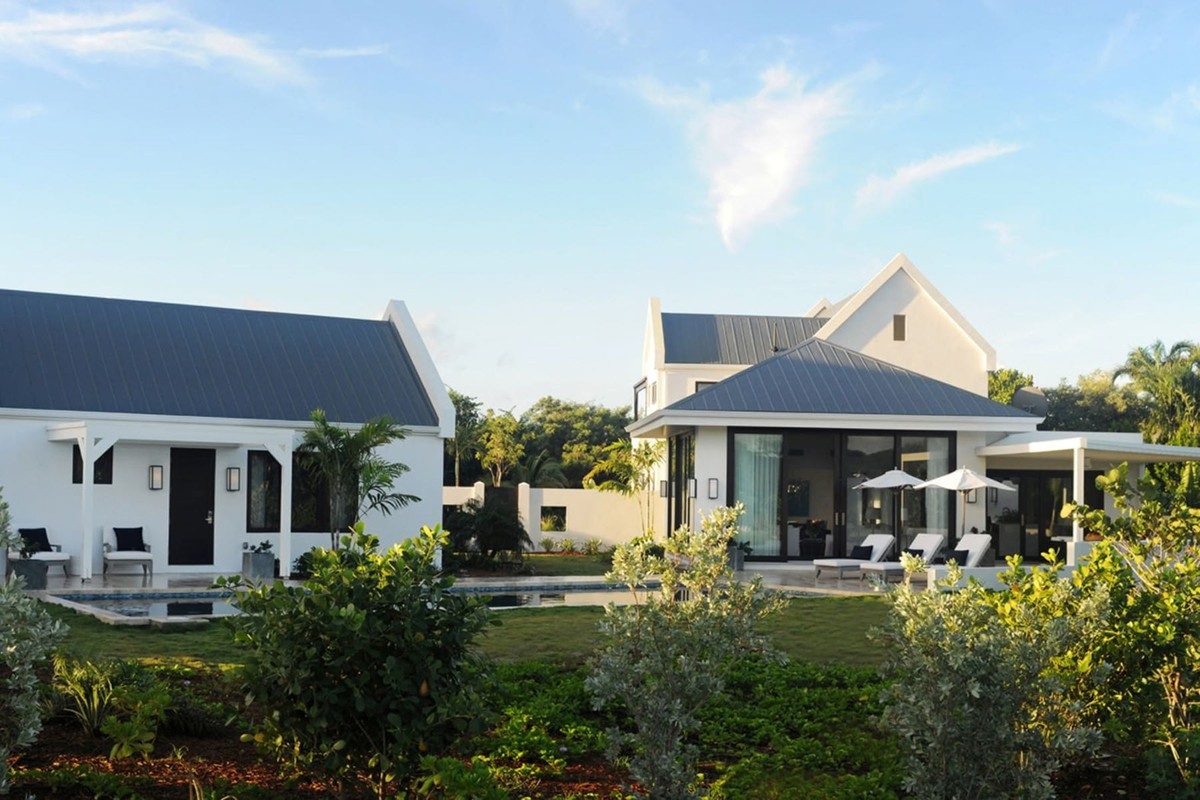
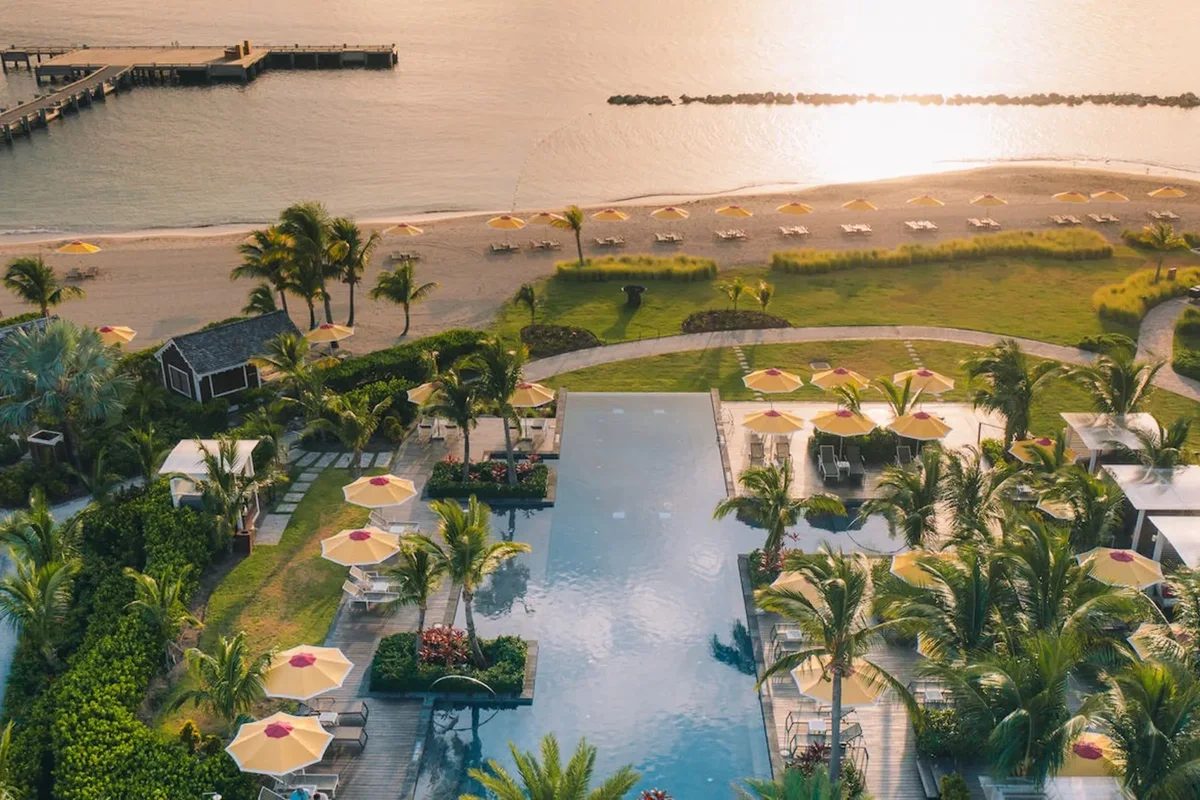
Steps from one of the most desirable stretches of sand in the Eastern Caribbean, with open Caribbean architecture, private pools and full resort integration.
Whole and fractional ownership, with CBI eligibility on qualifying units.
Part of the Villas at Pinney's Beach, Four Seasons Nevis community — the wider estate, its lifestyle and the other ways to own here.
Pinney’s is the longest beach on Nevis: over three miles of it, running north from just outside Charlestown along the calm western coast, with the volcano behind and St Kitts across the channel. The Villas at Pinney’s Beach are four- and five-bedroom homes a short walk from that sand, inside the Four Seasons Resort Nevis estate. They are sold two ways, whole or in shares, and it is the shared side that generates most of the inquiries.
Here is what buyers get wrong, and they get it wrong nearly every time. A one-tenth share is not a small piece of a Four Seasons villa the way a small piece of a company is still the company. It is five weeks of occupancy, and a proportional share of an operating cost base you do not control. It is also a resale position in a market where the developer is still selling new shares alongside yours.
The house is real and the title is real. But what you are buying behaves much more like an expensive club membership secured against real property than like a Caribbean house. Price it that way and it can make good sense for the right buyer. Price it as a house and you will be disappointed — usually about four years in, when you try to sell.
What you actually own at the Villas at Pinney’s Beach
The fractional structure divides each villa among ten owners. One listing for a new-construction four-bedroom, four-and-a-half-bathroom villa on a 0.3-acre plot, built in 2023, puts the one-tenth share at a total investment of US$475,000. On the resale market a one-tenth share currently starts at US$375,000, in villa 2003. Larger one-sixth shares have been quoted at US$750,000 and US$860,000. The homes are sold fully furnished.

Direct from the developer, fractional ownership at Pinney’s Beach starts lower again, at US$375,000. What that figure buys is not the same product as a resale tenth, and it is worth asking about specifically rather than assuming — the difference between the two is the whole conversation.
Those prices do not agree with each other, and they do not always agree with the live listing feed either. That is not necessarily anyone behaving badly — different villas, different vintages, different inventory, and agency blog posts that outlive the prices in them. But it tells you something useful. Confirm which specific villa and which specific share you are being offered, in writing and dated, before you compare it to anything. A quoted number here is a starting point, not a fact. And a share priced below what you expected is a reason to check the paperwork, rather than to assume it is a different development.
Whole villas in this development — four- to five-bedroom, four-and-a-half to five-and-a-half bath, steps from the beach and just off the fourth fairway — currently run from US$4,400,000 to US$5,950,000. The highest publicly listed at the time of writing is villa 2015, a five-bedroom, at US$4,950,000, with villa 2012, a four-bedroom, at US$4,400,000. There is inventory above the visible ceiling that is not carried on the public feed, which is worth knowing before you assume US$4.95 million is the top of this market.
Now do the arithmetic the brochures do not. Ten shares at US$375,000 totals US$3.75 million, against a four-bedroom whole villa asking US$4,400,000. So on the resale market the fraction is now the cheaper way in, which was not true a couple of years ago. Run the same arithmetic on whatever share you are actually offered, because at higher share prices the aggregate climbs past what a whole house asks. That is not a scandal — it pays for the furnishing package, the management infrastructure and the developer’s margin, and every fractional scheme in the world carries it. Go in knowing you are paying a premium over the whole-ownership price per square foot in exchange for not writing a four-million-dollar cheque.
The five weeks, and how the rental pool actually works
A one-tenth share carries five weeks of annual use, and the split is more structured than most buyers expect: two weeks in the high season months and three in the low season. A one-sixth share is quoted at eight weeks.

The detail that matters most, and that buyers almost never raise unprompted: the two-week period around Christmas is placed into the rental pool, expressly to capture the higher holiday rates. The single most valuable fortnight of the Caribbean year is not part of your five weeks. If your mental picture of this purchase is Christmas on Nevis with the family, stop and re-read the use calendar before you go further.
Four Seasons manages the homes and Four Seasons Resort Estates handles reservations, which is genuinely part of what you are paying for. Weeks you do not use are eligible to share rental income from the season in which they went unused. Read that last sentence the way a lawyer would. “Eligible to share rental income” is not a yield, not a guarantee, and not a projection you can bank.
No published distribution history for this rental pool appears anywhere in the public record. Before you sign, ask for the actual per-share distributions for the last three to five years, in writing and net of the management fee. Not a pro forma, not an average, not a typical-owner illustration. If nobody will put historic numbers on paper, treat the rental income as zero in your own model and see whether the purchase still works. Frequently it still does. Just make that decision with your eyes open.
One more thing to nail down in writing: how weeks are actually allocated between ten owners, and who gets priority in which year. Published material is silent on it, and with ten households competing for the same February, the reservation rules matter as much as the headline number of weeks.
The carrying costs, including the one nobody publishes
There is a published annual figure, and it is reassuringly small: US$2,610 for a one-tenth share and US$4,350 for a one-sixth. Buyers see that and relax. They should not.
That figure is the Resort Club membership — the thing that buys unlimited golf, tennis, non-motorised water sports and beach club access. It is not the cost of running the villa. Separately, owners share the operational costs of the villa among the ten of them, and no published figure exists anywhere for what that share amounts to. It has to cover housekeeping, maintenance, insurance on a beachfront structure in a hurricane belt, utilities, reserves for furniture replacement, and the management fee. On a property of this standard, in this location, it is not a rounding error.
So the first document to ask for is not the brochure. It is the last three years of actual billed operating costs per share, plus the reserve study, plus the budget for the coming year. If those do not exist or cannot be produced, that is your answer about how this is being run.
Ask one more question while you are at it. On the evening of 31 October 2023 a fire damaged the resort’s Pro Shop and Fitness Centre. The resort stayed open and nobody was hurt, and no published account records when those two facilities returned to service. Since the membership you pay for annually is explicitly a golf, tennis and fitness bundle, ask what is open today and what is not.
The government side of the transaction is set by law, not by this development. Stamp duty, the alien landholding licence and annual property tax are all set out on the St Kitts & Nevis real-estate guide, and Nevis sets its own rates separately from St Kitts.
One question there is worth raising before you exchange, because the published sources genuinely disagree: whether a purchase made through the citizenship route escapes the alien landholding licence. One guide says the licence is in many cases not required for approved programme purchases; another says every non-citizen acquiring an interest in land needs one, applicants included. On a share at this level the answer is worth five figures. Get it from a St Kitts and Nevis attorney you instructed yourself, in writing, before exchange — not from whoever is selling you the share.
Citizenship: what a share does and does not buy
Both Four Seasons Resort Estates and The Villas at Pinneys Beach appear by name on the Citizenship by Investment Unit’s own list of approved developments, so a purchase here can be used to apply. The Unit sets the minimum at US$325,000 for a condominium unit or a share in an approved development, and US$600,000 for a single-family private dwelling. The current framework took effect on 25 October 2024, replacing higher minimums. Government fees, due diligence and conveyancing sit on top, and the current schedule is on CBI-approved real estate.

Now the point that decides it. The threshold is US$325,000 and the shares here start well above it. That difference buys the Four Seasons brand, the beach and the management — not the passport. The passport is identical whichever approved development you buy in, and there are more than thirty of them on that list. So if citizenship is genuinely your only objective, this is an expensive way to get one and you should look elsewhere. If you want the villa and the citizenship is a bonus falling out of a purchase you wanted anyway, the arithmetic is entirely different and this can be a sensible way to do it. Which buyer you are decides this, and the two answers point in opposite directions. Both routes are set side by side in donation versus real estate.
The holding rule is not negotiable and is worth quoting exactly. Under the private real estate option, a property “shall not be resold for a period of at least seven (7) years.” Resold before that period ends, it generally cannot support a later citizenship application. The one exception is where the Federal Cabinet is satisfied that substantial further investment was injected by way of further construction, renovation or otherwise. Seven years is a long time to be locked into an illiquid asset.
If you are a US citizen, read this twice. A second citizenship changes nothing about your US tax position. The United States taxes its citizens on worldwide income no matter where they live, hold property or hold another passport. Filing obligations, FBAR and FATCA reporting all continue unchanged. The only exit from US worldwide taxation is formal renunciation, a serious and largely irreversible step with its own exit-tax consequences. Anyone who implies that a Caribbean passport reduces your US tax bill is either confused or selling.
The obvious alternative, and the risks worth raising unprompted
The comparison most buyers should be making sits inside the same estate. Nevis Peak Residences is the new-build condominium phase along the seventh and eighth fairways, and whole ownership there starts at roughly three times the price of a share here. That reframes the decision. Whole ownership buys a residence you own outright, use whenever you like, and can sell to any buyer at any time — on the golf course, not the beach. A share buys five weeks a year near the beach, two of them in high season, with Christmas going to the rental pool. Neither is wrong. But they are not competing on the same axis, and the fractional number is the one that gets quoted.

The selling agency has called Nevis Peak the last available property for development at the resort. Hold that against the fact that the same agency is currently marketing undeveloped parcels inside the estate. Treat scarcity claims as things to test, not facts to price.
Then the risk nobody volunteers. This resort has been out of service for long stretches more than once in the last twenty-five years. Hurricane Lenny struck on 18 November 1999 and severely damaged the Nevis coastline and the Four Seasons hotel. Waves along the coasts of St Kitts and Nevis reached 20 feet, and washed up to 600 feet inland. Hurricane Omar closed the resort in October 2008, that time for 791 days. It reopened on 15 December 2010 after roughly US$120 million of work — about US$80 million of reconstruction and US$40 million of upgrades, with all 196 rooms refurbished. It closed for a further four months in 2019 for major upgrades.
Understand what that history means for a fractional owner specifically. Your entire asset is the right to occupy for five weeks and to share rental income. If the resort is shut, both of those go to zero, potentially for two years running. So put these in writing before signing. During a closure, do the operating cost assessments and club dues keep running, or do they abate? Who carries the deductible on a beachfront structure in a hurricane zone, and how is it apportioned among the ten owners? What are the reserve balances today?
The same history is worth holding in mind about the beach itself. Nevis sits in the hurricane belt and Lenny’s surge reached hundreds of feet inland; shoreline here moves. “Beachfront” is a description of the present, not a warranty about the future. And since Nevis is volcanic, the sand tone differs from the bright coral white of somewhere like Anguilla — walk the stretch in front of the villa yourself rather than judging it from photography.
Finally, resale. You would be selling a one-tenth share into a market where the developer is still selling new shares in the same villas. It is also a market where a citizenship-route buyer cannot resell for seven years. No public evidence of secondary-market pricing for these shares could be found at all, which is itself information. Ask your agent for the last five completed resales of shares in this development, with dates, asking prices and achieved prices. If that list cannot be produced, assume liquidity is poor and buy only what you are content to hold for a decade and use.
Full pricelists, floorplans and underwriting are shared privately, after your call with Dan. Start with a consultation.
- Tell Dan what you have in mindBudget, timing and the kind of home. Two minutes, and it stays private.
- Get pricing and availabilityCurrent prices, what is genuinely available and what is coming, within one business day.
- Talk it throughA 30-minute call with Dan when you are ready. No fee, no obligation.
What a share actually costs, by villa and by broker
Quoted prices vary by villa and by broker, which is why you should always confirm which specific villa and share you are being offered, in writing and dated. On the resale market a one-tenth share starts at US$375,000, in villa 2003, and one new-construction four-bedroom has carried a one-tenth at a total investment of US$475,000. One-sixth shares have been quoted at US$750,000 and US$860,000. Direct from the developer, fractional ownership here starts lower again at US$375,000 — a different product from a resale tenth, and one worth asking about specifically. Whole villas in this development currently run from US$4,400,000 to US$5,950,000. Note that ten one-tenth shares add up to more than the whole-villa asking price. That premium pays for furnishing, management and developer margin, and it is normal in fractional schemes. You should simply know you are paying it. Published prices here also age faster than the pages that carry them, so check the live listing for the specific villa rather than a marketing figure.
Five weeks — and Christmas is not one of them
Five weeks of annual use: two weeks in the high season months and three weeks in the low season months. The detail buyers most often miss concerns Christmas. That two-week period is placed into the rental pool rather than allocated to owners, expressly to capture holiday rates. The peak fortnight of the year is not part of your five weeks. Read the full use calendar and the reservation priority rules before you commit. With ten owners per villa, how weeks are chosen matters as much as how many you get. The allocation rules are not published anywhere.
The published membership fee is not the full carrying cost
There is a published annual membership figure: US$2,610 for a one-tenth share and US$4,350 for a one-sixth. It covers Resort Club access, including unlimited golf, tennis, non-motorised water sports and the beach club. That is not the full carrying cost. Separately, the ten owners share the villa’s operating costs — housekeeping, maintenance, insurance, utilities, reserves and the management fee — and no published figure for that share exists anywhere in the public record. Ask for three years of actual billed operating costs per share, the current year’s budget and the reserve study before you sign. Ask too what the annual membership currently buys: a fire on 31 October 2023 damaged the Pro Shop and Fitness Centre, and no return-to-service date was ever published.
Both names are on the approved list — and what the premium buys
Both Four Seasons Resort Estates and The Villas at Pinneys Beach are named on the Citizenship by Investment Unit’s list of approved developments. The Unit sets the minimum at US$325,000 for a condominium unit or a share in an approved development, so the beachfront shares clear the threshold. But be clear about what you are paying for: the amount above that minimum buys the villa, the beach and the Four Seasons management, not a better passport. The citizenship is identical from any of the thirty-plus approved developments. If a second citizenship is your only goal, this is an expensive way to get one. If you are a US citizen, note separately that a second passport does nothing for your US tax position: the US taxes citizens on worldwide income wherever they live, and only renunciation ends that.
Unused weeks share rental income; no distribution history is public
The homes are managed by Four Seasons, with reservations handled by Four Seasons Resort Estates rather than by you. What cannot be told to you is what that has actually paid, because no distribution history appears in the public record. Ask for the last three to five years of actual per-share distributions, in writing and net of fees — not a projection or a pro forma. Until you have seen real numbers, model the purchase assuming zero rental income and check whether it still makes sense. Often it will. Just make sure the decision does not depend on a figure nobody will commit to paper.
What happens to your weeks and fees if the resort closes
This is the question fractional buyers at this resort most need to ask, because the history is unusual. Hurricane Lenny severely damaged the Nevis coastline and the Four Seasons hotel on 18 November 1999. Hurricane Omar closed the resort in October 2008 for 791 days; it reopened on 15 December 2010 after roughly US$120 million of reconstruction and upgrades, with all 196 rooms refurbished. It then closed for four months in 2019 for major upgrades. When the resort is shut, both your use weeks and your rental income are gone. Get written answers on three things. Whether operating assessments and club dues abate during a closure. Who carries the insurance deductible, and how it is apportioned among the ten owners. And what the reserves currently stand at.
The seven-year rule, and the one exception
If you bought through the citizenship programme, the rule is explicit: the property “shall not be resold for a period of at least seven (7) years.” An early resale generally cannot support a later citizenship application either. The one exception is where the Federal Cabinet is satisfied that substantial further investment was made through construction, renovation or otherwise. Beyond that lock-in, expect resale to be slow. You would be selling a one-tenth share while the developer is still marketing new shares in the same villas, and no public evidence of secondary-market pricing could be found at all. Ask for the last five completed resales, with dates, asking prices and achieved prices. If that list does not exist, assume poor liquidity and buy only what you are happy to hold for ten years and genuinely use.

Dan Merriam
“We exclusively represent all of the new and existing homes at Four Seasons Nevis, and we run our office just off the Four Seasons Nevis lobby.”
Dan Merriam is a licensed real estate and investment migration professional who tracks pricing and availability across the region’s resort and branded developments. He compares the units for you, explains the ownership, rental program and citizenship rules, and builds a data room with detailed pricing and availability when you’re ready.

A representative of St. Kitts & Nevis Sotheby’s International Realty. The office is independently owned and operated.
Interested in Villas at Pinney's Beach, Four Seasons Nevis?
Send a private inquiry and Dan will walk you through availability, ownership options and CBI eligibility.
Request a ConsultationOr see how Dan’s private dataroom works.
Exclusively represented by St. Kitts & Nevis Sotheby’s International Realty.
Dan Merriam is a licensed representative of St. Kitts & Nevis Sotheby’s International Realty. The office is independently owned and operated.