



Barbuda Ocean Club
An ultra-private Discovery Land community on 164 acres of Barbuda's pristine coast.
- IslandBarbuda
- DeveloperDiscovery Land Company
- ProductTurnkey homes & homesites
- FromUS$6,900,000 whole
Residences available.
Every unit currently on the book here, with what is off-market available on request.

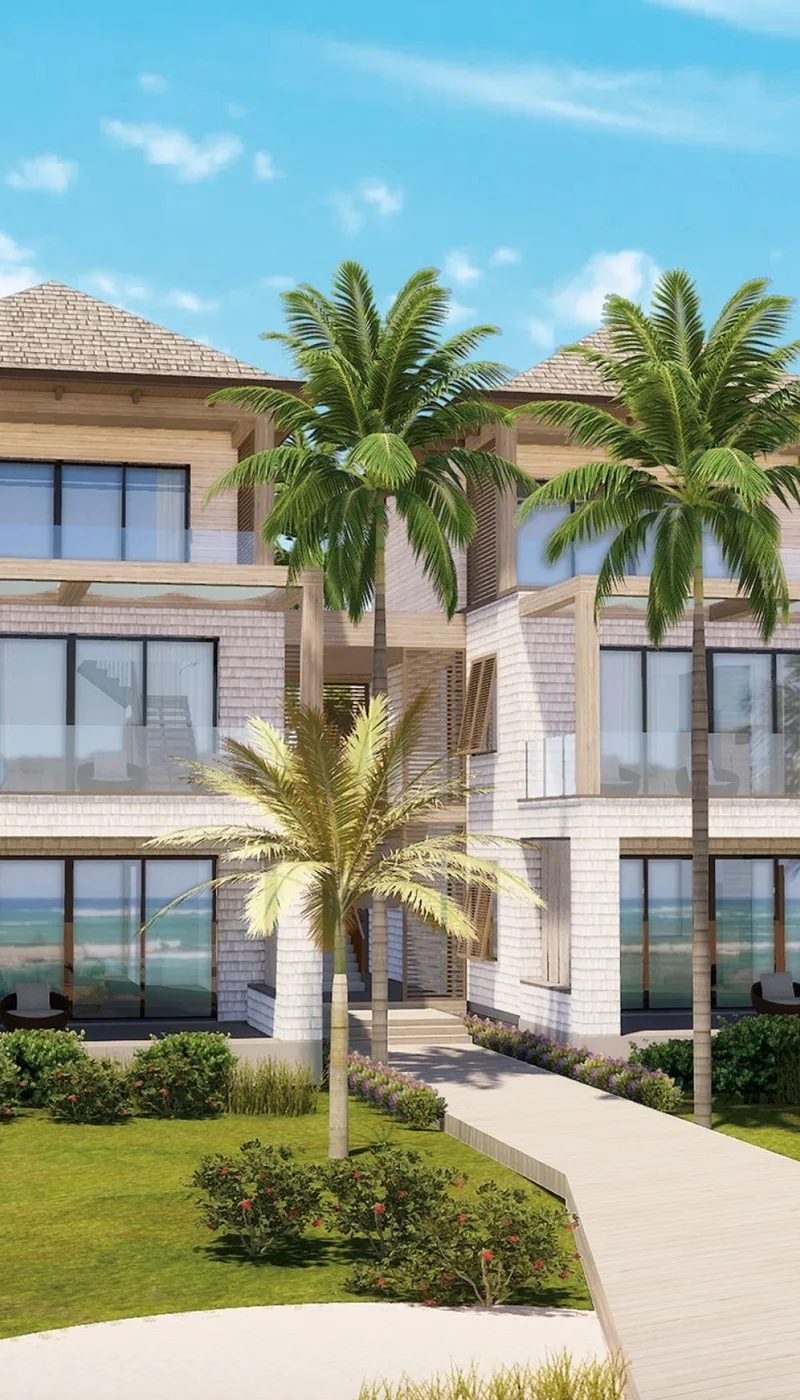
Barbuda Ocean Club — Coco Point Casitas

Barbuda Beach Residences
Get the current price list for Barbuda Ocean Club
Dan sends what is available now, including residences that are not advertised, with prices, floor plans and terms. He replies personally within one business day.
- Tell Dan what you have in mindBudget, timing and the kind of home. Two minutes, and it stays private.
- Get pricing and availabilityCurrent prices, what is genuinely available and what is coming, within one business day.
- Talk it throughA 30-minute call with Dan when you are ready. No fee, no obligation.
About Barbuda Ocean Club
Barbuda Ocean Club is the Caribbean project of Discovery Land Company — the developer behind some of the most sought-after private residential clubs in North America. That pedigree, on one of the last untouched coastlines in the region, is the whole pitch. If you are looking here, you want to know what the Discovery model actually delivers, what it costs to be part of it, and how the frontier reality of Barbuda squares with the polished brand. This is my read.
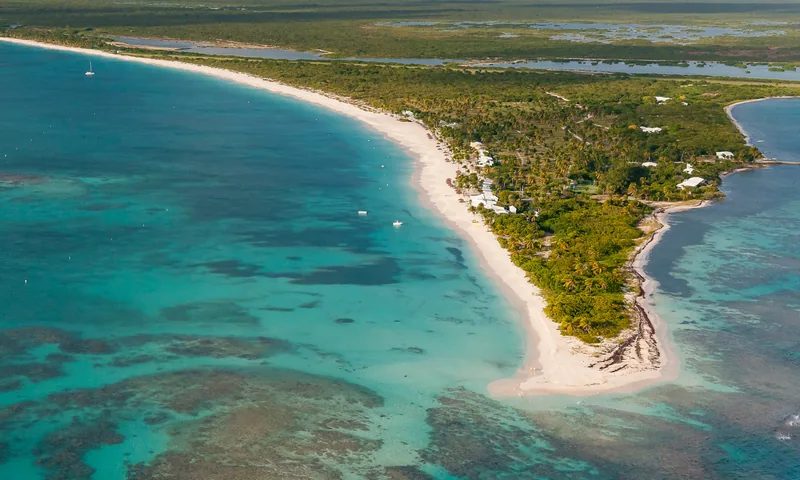
The community sits on 164 acres of Barbuda's coast and comprises fewer than 100 residences, spanning turnkey homes of two to six bedrooms and homesites on lots reported from about half an acre to 1.5 acres. It is a top-tier, community-and-lifestyle play on a frontier island — you are buying into the Discovery ecosystem as much as a house.
Read Dan’s full review of Barbuda Ocean Club
One point of housekeeping before anything else, because buyers get it wrong constantly: this is a different project from the separate hotel-branded beach estate on Barbuda. Same island, same ultra-luxury tier, entirely different developer, community model and economics. If Barbuda is where you want to be, compare the two deliberately rather than treating them as interchangeable.
What the Discovery model actually means
This is the crux, so let me explain it plainly, because it is different from a normal resort purchase.

Discovery Land builds private, members-oriented residential clubs — think a gated community where the amenities (restaurants, comfort stations, outdoor pursuits, kids' programming, concierge and a distinctive service culture) are the product as much as the homes. Owners buy into a lifestyle and a community, typically with a club membership and its associated fees, not just a plot of land. Done well it creates an intensely loyal owner base and a genuinely differentiated experience, and Discovery's North American clubs are proof the model works.
For a buyer that has two implications. The upside is a turnkey, high-service, like-minded community where much is taken care of. The caution is that you are committing to an ecosystem with ongoing membership and running costs, and the value depends heavily on the community reaching critical mass and the service culture being delivered on a remote island. Understand the full cost of belonging — not just the home price — before you commit.
Why Barbuda, and the cautions
Barbuda is one of the last genuinely undeveloped coastlines in the Caribbean — a low coral island of empty pink-sand beaches, a tiny population and almost no infrastructure. That scarcity is the appeal: a blank canvas for a trophy private club. But undeveloped carries real, specific risks the brochure will not dwell on, and I would rather you heard them from me first.

- Minimal infrastructure. Services and the surrounding community are limited and still being built out. Confirm what exists today versus what is rendered.
- Land tenure and environmental sensitivity. Barbuda has a distinctive communal land tradition and has been the subject of genuine legal and environmental debate over large-scale development. Understand the tenure and consenting position for any specific parcel, with independent local legal advice.
- Hurricane exposure. Barbuda took a direct hit from Hurricane Irma in 2017. Build standards, insurance and resilience matter more here than almost anywhere.
- Homesite versus turnkey. A homesite is a construction project on a remote island — a very different undertaking from a finished home. Know which one you are taking on.
None of this makes Barbuda Ocean Club a poor buy. It makes it a patient, eyes-open one — underwrite the frontier reality alongside the polished brand.
How it compares
Within Antigua & Barbuda this is the members-club, ultra-private, frontier play: you buy into a community, a service culture and an ongoing membership that happens to include a home. Set it against the trophy Barbuda Beachfront Residences and Rosewood Barbuda on the same island, where what you are buying is a branded house or a substantial piece of land rather than a membership. Over on Antigua the market is a different animal again — established, rentable resort product and marina communities rather than frontier land. The Barbuda market guide and Antigua market guide set the context.
Who it suits
It suits a well-capitalised buyer who genuinely wants the Discovery members-club lifestyle — turnkey, high-service, like-minded community — on one of the Caribbean's last untouched coasts, is comfortable with membership costs and frontier diligence, and takes a long view.
It suits poorly a buyer who wants a standalone home without a club ecosystem, needs established infrastructure now, or is uneasy with land-tenure or environmental complexity.
Before you commit
The diligence that matters here: the full cost of belonging (home price plus membership and running costs), turnkey versus homesite, the true all-in including remote construction and insurance, the specific parcel's land tenure and consenting position, what infrastructure genuinely exists today, delivery and resilience.
That is the independent, on-your-side read I give buyers — and on Barbuda it is essential rather than optional.
Key takeaways
- Discovery Land Company's ultra-private enclave on 164 acres of Barbuda's pristine coast.
- Fewer than 100 residences — turnkey homes (2–6 bed) and homesites (~0.5–1.5 acre lots).
- You buy into a members-club community and lifestyle, with membership and running costs — not just a home.
- Frontier risks are real: minimal infrastructure, land-tenure and environmental sensitivity, hurricane exposure, remote construction.
- Distinct from the separate hotel-branded beach estate on Barbuda — compare the community models directly.
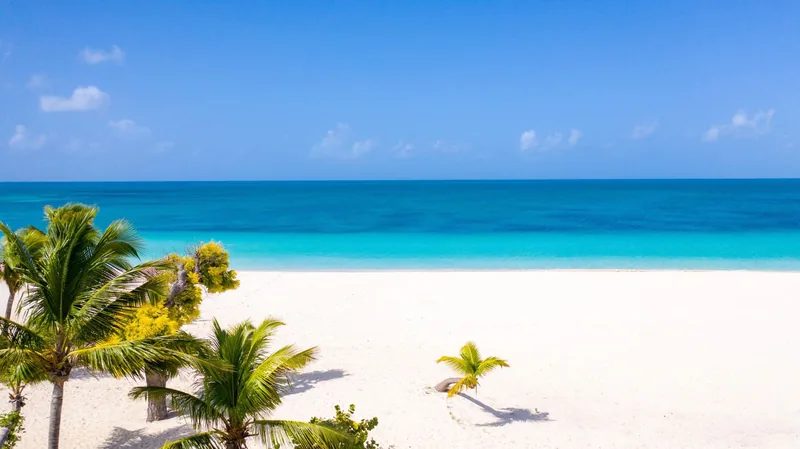
Barbuda Ocean Club is Discovery Land Company’s private club community on Barbuda — the flat, low, largely empty sister island north of Antigua, and a genuinely different place from the one your flight lands on. The beaches run for miles with nobody on them, and the quiet is the product.
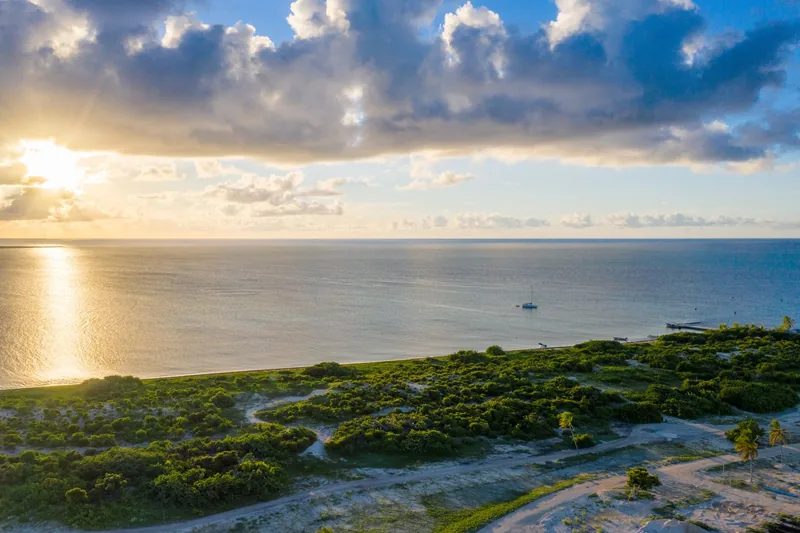
It sits in two pieces on the south of the island. Coco Point occupies 164 acres along a two-mile arc of beach, on the ground where Coco Point Lodge stood until Hurricane Irma took it in 2017. Palmetto Point, further west, is the larger half, with seven miles of beachfront and the 18-hole Tom Fazio course. Be careful with the acreage. The developer’s own pages give different figures for the same ground in different places: one describes Palmetto Point as around 600 acres, while others put the combined holding at over 800 and over 900. Ask which number attaches to which instrument before you treat any of them as a fact.
Here is the thing buyers get wrong, and it is not a small thing. People arrive assuming this is a Caribbean resort-residence purchase of the familiar kind — buy the freehold and put it on the resort’s rental programme. Neither is safe to assume here. Land tenure on Barbuda is a live legal question that the Privy Council, Parliament and an ongoing land adjudication are still working through. How the island got here, from communal tenure to Discovery Land and Tom Fazio, is told in my Barbuda guide. And it is a members-only club, not a rental pool.
That does not make Barbuda Ocean Club a bad buy. For the right buyer it is an exceptional one. But it is a different buy from the one most people think they are making, and that is better known on the first phone call than the fourth.
What you are actually buying at Barbuda Ocean Club
Every Discovery Land community works the same way, and this is no exception: the club is private, and the only route in is to own a home inside it. Mike Meldman has been explicit about it — to be a member, you have to be a property owner. So when you price a house here, you are not really pricing a house. You are pricing admission to a club, and the house is the receipt.
The physical product is straightforward enough. The developer’s own figure for Coco Point is fewer than 100 residences across those 164 acres. Developer-designed plans run 3,500 to 7,500 square feet with three to seven bedrooms. The original Coco Point release was marketed as lots of roughly half an acre to an acre and a half, with 80 to 125 feet of frontage. Beyond that come custom homesites, turnkey casitas, waterfront cottages, golf villas and beachfront estates, plus the Fazio course, beach clubs and Discovery’s Outdoor Pursuits programme.
The land underneath is the part that matters. Barbuda has never worked like Antigua. Land there was held in common by Barbudans, and that arrangement was codified in the Barbuda Land Act 2007 before being amended in 2016 and 2017 to unwind it. In June 2022 the Privy Council ruled against Barbudan communal proprietary rights, treating the land as the Crown’s with Barbudans as custodians or tenants rather than owners. In 2023 Parliament passed a Registered Land (Amendment) Bill bringing Barbuda land into the Registered Land Act framework and creating a route for Barbudans to register a claim.
The formal adjudication of who holds what has been running since 2023, and as of 2026 the government describes it as nearing completion, with a Barbuda land registry due and the first individual freehold certificates ratified. The direction of travel is toward registered individual title — which is exactly the thing a buyer here needs and did not previously have.
Underneath the development itself are government leases granted in 2017 to PLH — Peace, Love and Happiness, the John Paul DeJoria-backed entity behind the project. Note the plural. The areas and the annual rents recorded on the court file do not match the figures that circulate in press coverage or on the developer’s own pages. The ground-rent arrangements have themselves been litigated, and resolved in the developer’s favour. None of that is a reason to walk away. It is a reason not to take any of it verbally.
Ask for the instruments, the unexpired terms, what happens at expiry, whether they are registered, and whether they are assignable without the developer’s consent. In 2020 the project’s own president told a national publication that the residences were being leased rather than sold, so establish what your own interest actually is. If your lawyer cannot show you a registered title or a registered lease with a stated remaining term, you do not yet have the thing you think you are buying.
The carrying costs, and why they arrive late
Discovery does not publish prices, initiation fees or annual dues for Barbuda. That is house style rather than evasion; it is how the company operates everywhere. The practical effect is that the full carrying-cost picture reaches you deep into a sales process, which is the worst possible moment to be surprised. Across the Discovery portfolio, Forbes reported homes costing anywhere from US$3 million to US$50 million. That tells you the shape of the market, not the price of any particular lot at Coco Point.
The Antigua and Barbuda transaction costs, by contrast, are knowable in advance, and they are set by law rather than by the developer. Conveyance stamp duty on both sides, the Non-Citizen Land Holding Licence and its fee, the conveyancing scale and annual property tax are all set out on the Antigua & Barbuda real-estate guide. The licence itself is covered in what the alien landholding licence really costs. One Barbuda-specific question does not appear there and should be put to your own attorney: whether a leasehold interest on Barbuda triggers the licence at all.
Insurance. No reliable published benchmark exists for hurricane and earthquake cover on Barbuda, so get a live quote before you commit rather than a rule of thumb. On a low, flat, exposed island where Irma destroyed the great majority of structures in 2017, this is not the line to economise on. Establish the rebuild sum insured, the named-storm deductible and who carries the excess.
Then come the numbers nobody publishes: club initiation, annual dues, community assessments, and the cost of actually building on a remote island where materials and trades route through Antigua. Ask, in writing and early, for the dues schedule, the assessment history, whether dues are capped or index-linked, whether a homesite carries a construction deadline, and what design review involves. A build-by covenant with a penalty attached is a cost, even though it never appears on a cost sheet.
Rental and usage: this is not an income property
Barbuda Ocean Club is members-only. Its own marketing addresses member families and private residences. No public room inventory could be found, and there is no evident way to book a stay to have a look around. That is worth knowing before you plan a scouting trip.
That exclusivity is the product — it is the reason the beaches stay empty and the reason people pay what they pay. It also has a direct financial consequence. There is no resort rental machine to hand your keys to. A members-only club with no public inventory is structurally the opposite of a yield play, and any rental income in your model should be treated as zero until someone shows you the covenant that permits otherwise. Get it from the documents, not from a salesperson. If short-let income is part of why you are buying, that single clause should probably decide which project you choose.
What you do get is the Discovery operating model, which is genuinely good at what it does. The Outdoor Pursuits programme, beach clubs, and the signature comfort stations on the golf course. The Frigate Bar sits on the beach between holes 9 and 10. It is designed for owners who use their homes with family for weeks at a time, not for owners who visit twice a year and rent the rest. Buy it on that basis or do not buy it.
What you are actually buying into
Two features define what is actually on offer here, and neither is available in the ordinary Caribbean resort market.
Scale and a championship course. The Tom Fazio layout, the beach clubs, the Outdoor Pursuits programme and the comfort stations on the course add up to an amenity footprint far larger than the residence count would suggest. Fewer than 100 residences are planned at Coco Point across 164 acres, which is a very low density for that much infrastructure.
A mature club operating culture. Discovery has run this model across a large portfolio for years, and it is genuinely good at it. That is most of what the premium buys.
Set against that, be clear about what you are giving up. You buy on private terms with no published pricing, and there is no rental route, so the asset produces nothing while you are not using it. Those two together mean the purchase has to stand on use rather than on return, and on an island this remote that is a real test. Ask yourself how many weeks a year you will genuinely be here before you ask what it costs.
Citizenship, and the risks worth raising before you sign anything
Start with the question buyers ask first. Antigua and Barbuda’s citizenship-by-investment programme has a real-estate route requiring a purchase of at least US$300,000. That purchase must be either in a project on the Citizenship by Investment Unit’s approved development projects list, or within one of its designated approved areas. The approved-areas schedule does name this club’s ground on Barbuda. But neither the developer nor the club appears on the approved development projects list, so a purchase here does not qualify today. Those two facts sit close enough together to be confused, and confusing them is expensive. Get written confirmation from the Unit naming the exact entity and parcel before you treat any purchase here as a citizenship transaction, and read CBI-approved real estate for what does qualify.

A Environmental designation and permitting. A substantial part of the project’s ground sits inside Codrington Lagoon National Park, a wetland of international importance under the Ramsar Convention since 2005 — how much is genuinely disputed. That designation, and separate live litigation over the new airport’s environmental approvals, do not invalidate a properly registered interest. They do bear on permitting timelines, build-out certainty and how you feel about the story attached to your address.
Build-out is not settled. Published figures do not agree. The lease scope has been reported as a 150-room hotel and 450 residential units, while the developer’s own Coco Point figure is fewer than 100 residences. Ask for the current approved master plan and the phasing, because the difference between a 100-home enclave and a several-hundred-unit resort is the difference between two entirely different products.
Exit liquidity. This is a members-only club on a small island with a very narrow buyer pool. Your eventual purchaser has to want that specific life, accept the same tenure, and pass the same club process. Price your exit assumptions conservatively, and ask what the club’s transfer rules and resale restrictions actually say.
Operator dependency and weather. The value here is inseparable from Discovery continuing to run it to the standard that justifies the price, and from an island that Irma flattened in 2017. Neither is a reason to walk away. Both are reasons to read the documents properly, insure properly, and buy for use rather than for return.
And for American buyers. None of this changes your position at home. The United States taxes its citizens and permanent residents on worldwide income wherever they live and wherever the asset sits. Renouncing citizenship is the only exit from that system, and it carries its own expatriation tax consequences. A Caribbean address is not a US tax plan, and anyone presenting it as one is not being straight with you.
Freehold, leasehold, and why the documents decide it
Settle this with documents, not conversation. Barbuda has never had ordinary freehold. Land was held communally by Barbudans, codified in the Barbuda Land Act 2007 and then amended in 2016 and 2017 to unwind that. In June 2022 the Privy Council ruled against Barbudan communal proprietary rights, treating the land as the Crown’s with Barbudans as custodians rather than owners. In 2023 Parliament passed a Registered Land (Amendment) Bill bringing Barbuda into the Registered Land Act framework. The adjudication that followed began with an Order gazetted on 4 October 2023, an Adjudication Officer gazetted on 22 August 2024, and claims taken from 28 August 2024. As of 2026 Cabinet describes it as nearing completion, with a Barbuda Land Registry due and the first individual freehold certificates ratified. The development itself sits under government leases granted in 2017 — plural, and the areas and rents on the court file do not match the figures that circulate elsewhere. In 2020 the project’s own president told a national publication that the residences were being leased rather than sold. Ask for the instruments, the unexpired terms, the position at expiry, and whether they are registered and assignable. Do not sign without those four answers in writing.
Discovery publishes no Barbuda prices
Discovery does not publish prices for Barbuda, and no figure is guessed at here. Across the Discovery portfolio, Forbes reported homes costing anywhere from US$3 million to US$50 million, which describes the market rather than any particular lot. What is published for Barbuda is the product. For a published benchmark on the same island, the island’s other beachfront estate lists villa lots from US$7 million, turnkey branded residences from US$12 million and six-acre estate parcels from US$15 million.
Assume you cannot let it until the documents say otherwise
The club is members-only, with no public room inventory to be found, so there is no resort rental programme to place your home into. Ask for the rental and use covenants in the actual purchase documents before you underwrite a single night of income. By contrast, the branded residences at the island’s other beachfront estate are explicitly sold with an optional rental programme run by the resort. If income is part of your reason for buying, that difference should drive the decision rather than the finishes.
The statutory side, and two Barbuda-specific questions
The Antigua and Barbuda side is set by law rather than by the developer. Conveyance stamp duty on both sides, the Non-Citizen Land Holding Licence and its fee, the conveyancing scale and annual property tax are all on the Antigua & Barbuda real-estate guide. Two Barbuda-specific questions are not answered there and belong with your own attorney. Whether a leasehold interest on Barbuda triggers the licence at all. And what hurricane and earthquake cover actually costs — price that with a live quote rather than a percentage rule of thumb. On top of all of it sit club initiation, annual dues and community assessments, none of which the club publishes. Get those three in writing before you are emotionally committed, not after.
Burton-Nibbs opened in October 2024, and who runs the terminal
Considerably better than it used to be. Burton-Nibbs International Airport opened on Barbuda on 3 October 2024 with a 6,100-foot runway, replacing the 1,640-foot strip at Codrington, and it handled 99 flights in its first two months. It has a fixed base operator terminal operated by PLH, the developer entity behind Barbuda Ocean Club, which tells you something about who the airport was built for. From Antigua the Barbuda Express ferry takes about an hour and a half, and helicopter transfers are available. Worth knowing that the new airport is itself the subject of live litigation over its environmental approvals. The developer’s ground-rent arrangements and the funding of that airport are also connected — a question to put to your own lawyer rather than to the sales office.
The Codrington Lagoon dispute, and how much is genuinely in it
Yes, in a measured way, and you should hear it from your adviser rather than from a headline after you have signed. A substantial part of the project’s ground lies within Codrington Lagoon National Park, a Ramsar wetland of international importance designated in 2005. How much is genuinely disputed. The fractions in circulation come from campaign-side reporting rather than from a survey. The Global Legal Action Network filed a Ramsar complaint in December 2020 and a fuller submission in March 2022. John Mussington and Jackie Frank won a Privy Council ruling in February 2024, granting them standing to challenge the airport’s environmental legality. It was the first Caribbean judgment to apply the Escazú Agreement. Their full High Court hearing took place on 1 June 2026. None of this voids a properly registered interest, but it is relevant to permitting, to build-out certainty, and to whether you are comfortable with the wider story.
- Barbuda: the island, its land law and the market
- Barbuda market guide
- Antigua market guide

Dan Merriam
“I’ve been based full-time in Antigua & Barbuda since 2021, and I know this country like the back of my hand. It’s a difficult market to navigate, with a reputation for being slow to get things done, but even with all of the challenges, I still think the opportunity here for real estate investment and development is great.”
Dan Merriam is a licensed real estate and investment migration professional who tracks pricing and availability across the region’s resort and branded developments. He compares the units for you, explains the ownership, rental program and citizenship rules, and builds a data room with detailed pricing and availability when you’re ready.
Explore Barbuda Ocean Club with Dan.
Send a private inquiry to see current availability, ownership structure and pricing.
Request a Consultation